


:format(webp)/vulcan.abetter.bid%2Fwp-content%2Fuploads%2F2025%2F07%2Fwalter-sturn-Rd8FuyvGRGY-unsplash.jpg)
 FAQ
FAQ 
Auto Auction Blog
February 24, 2025
Retired Police Car Buying Guide: What You Need to Know
:format(webp)/vulcan.abetter.bid%2Fwp-content%2Fuploads%2F2022%2F10%2F2022-10-05-11.30.40-150x150.jpg)


Customer Service
9 am - 6 pm EDT
Monday - Friday
International
+1 (302) 613 - 1026Toll-Free
+1 (888) 277 - 3182To buy a tractor without wasting money, start by choosing the right size for your land and tasks. For small properties under five acres, a sub-compact tractor with 20 to 25 horsepower usually works best. If you’re working more ground or pulling heavier implements, step up to a compact or utility model. One machine can handle mowing, tilling, hauling, and snow removal, but only if it fits your exact needs. A smart tractor purchase means matching engine power, attachments, and budget from the start. This guide explains how to avoid overpaying and pick a tractor that works hard for years.
Tractor models vary widely in size and function. Being aware of the distinctions saves time and money. The right size tractor should fit your land, workload, and equipment. Think about the jobs your machine needs to handle when deciding which tractor to buy.
These smaller tractors are ideal for light work.
Larger tractors offer more power and flexibility. Running bigger operations or working in rough terrain becomes easier. These machines often come with high towing capacity. They also have multiple gear settings and support for heavy-duty equipment.
A Better Bid Pro Tip: John Deere is often seen as the most reliable tractor brand in this class. It’s due to its strong resale value, nationwide dealer network, and long-lasting parts.
Choosing the right machine starts with knowing exactly what you need it to do. Will you be lifting heavy loads with buckets or clearing brush along fence lines? Operators who only mow or move light materials won’t need the same type of tractor as those running a full-time business. Daily hours, terrain, and the kind of supply or tools you haul all matter. One machine doesn’t fit everyone, so avoid overspending by matching the used tractor to real tasks, not wishful thinking.

A Better Bid’s recent breakdown of tractor usage shows how different the needs can be. About 42 percent of buyers use their tractors for land maintenance, like grading and clearing. Around 26 percent rely on used tractors for light agricultural work, while 18 percent use the same tractor year-round in their landscaping business. The remaining 14 percent focus on hauling, digging, or operating loaders. These numbers reflect how diverse operators’ goals really are.
Still deciding between a new vs used tractor? Pay attention to long-term goals, budget limits, and how often you can change your equipment needs in the future.
| Factor | New Tractor | Used Tractor |
| Average Price Range | $35,000 to $75,000 | $12,000 to $40,000 |
| Depreciation Rate (5 years) | 30 to 40 percent | 10 to 20 percent |
| Vehicle Ownership Changes | Less common within 3 years | More frequent due to lower upfront costs |
| Cost-Effective Option | Better for high-use, long-term work | Ideal for part-time use or tight budgets |
| Extensive Selection | Limited by the current model year | Wide variety across brands and sizes |
| Best Fit for the Future | Suits growing operations | Flexible for changing needs |
In the tractor industry, age plays a big role. It concerns both resale value and maintenance costs. Older models may seem like a bargain upfront. However, parts can be harder to find, especially if the manufacturer stopped producing them. Newer machines typically maintain stronger value and have better dealer support for repairs.
The best tractors for the money are often those that are five to eight years old: new enough to run reliably, but past the steepest depreciation. Before buying, check how easy it is to maintain that specific model. A cheap deal now can cost much more in the long run.
When picking your first tractor for a small farm, compare electric and diesel models. Review how they handle daily work, as well as their fuel consumption and ease of control, especially if you’re new to using a clutch.
| Feature | Electric Tractor | Diesel Tractor |
| Fuel Efficiency | 90 percent energy conversion | Around 35 percent efficiency |
| Average Run Time | 4 to 6 hours per charge | 8 to 10 hours per tank |
| Maintenance Needs | Fewer parts, no oil changes | Requires oil, filters, and regular checks |
| Maneuverability | Smoother control, great for tight turns | Depends on the size and the steering system |
| Best For | Small farms, short daily tasks | Larger farms with long work hours |
A Better Bid Insight: While electric tractors are growing fast, diesel still dominates farm use due to longer run times and easier refueling in remote areas.

Some features directly impact your tractor’s operation. Grasping these aspects helps avoid paying for upgrades you don’t actually need. Use a VIN decoder to check model year, engine specs, and original build sheet before buying a used unit.
Before attaching any farm equipment, confirm that your tractor’s 3-point hitch category and PTO horsepower match the implement’s specifications. According to the John Deere Equipment Matching Guide, you should check that the implement’s weight doesn’t exceed your rear lift capacity. If it does, add front ballast or switch to wider wheels for balance.
Use R1 tires for traction in soil and R3 tires for turf to minimize ground damage. Keep the implement’s working width within the used tractor’s wheel span. This helps avoid handling issues.
As per A Better Bid’s data, the average long-term cost of owning a tractor can reach 160 % of its original purchase price over ten years. It’s crucial to realize all pricing and ownership costs. Pay attention to fuel consumption, repairs, insurance, and how efficiently the machine performs.
Initially, new equipment may lower maintenance costs. Nonetheless, it comes with a higher upfront investment. Used models often need more upkeep but may offer better value. Consider contacting a reliable dealership. Ask them about extended warranties and parts availability. Additionally, a transparent ownership picture ensures the tractor fits your long-term goals and budget.
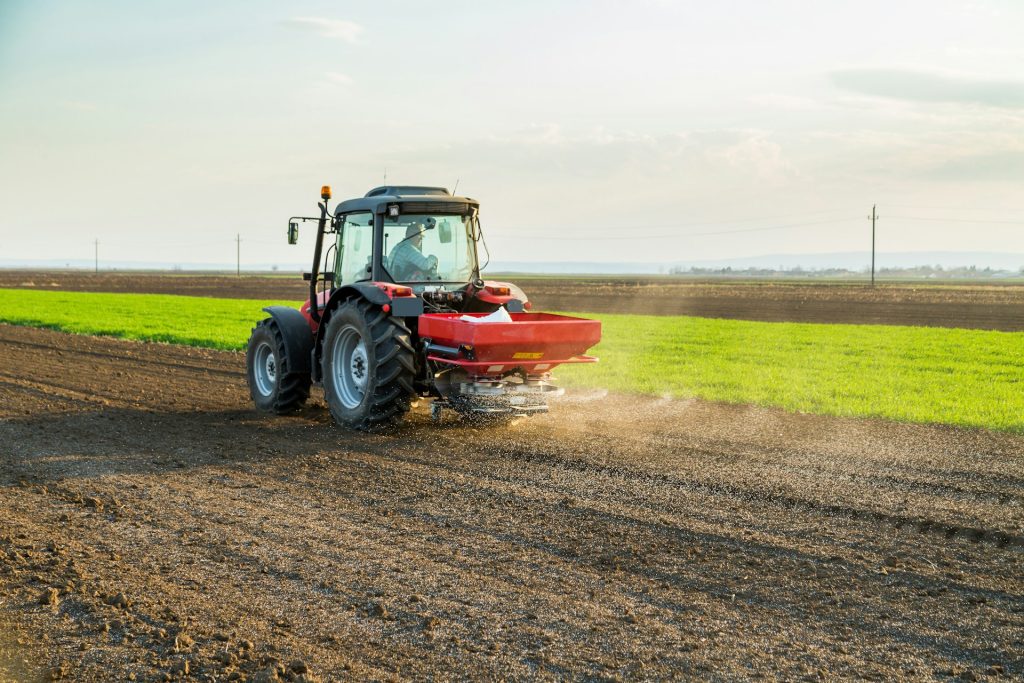
Skipping budget planning is a major mistake when buying a tractor. Many buyers also choose the wrong size or features for the work they actually need.
Here are mistakes to avoid:
Before purchasing a used tractor, inspect it for signs of damage (leaks around hydraulic lines, oil seals, cracks in the frame or wheels). Don’t assume bigger is better. The biggest tractor may be overkill for your land. Consider taking a machine for a test drive. This will help check steering, brakes, and comfort.
Avoid anything that resembles buying a biohazard vehicle by focusing on clean, working features and a clear maintenance history.
Purchasing a tractor for regular use requires a clear plan. Buy a machine that fits your tasks, land size, and budget. Certainly, a new tractor offers fewer repairs. However, used models with the right attachments can be just as effective. Focus on key features like enclosed cab, service access, and ease of use. Review all the necessary maintenance procedures. Remember that the right choice saves money, works efficiently, and avoids downtime.
As a rule, no license is required to drive a tractor on private property. However, if you operate it on public roads, many states require a standard driver’s license or special permit.
Start by removing any fluids or harmful materials. You can then sell it to a scrap yard, list it for parts, or contact a local farm equipment recycler. Some municipalities also accept old tractors during cleanup events.
The Big Bud 747 holds the title for the largest farm tractor ever built. Manufactured in the United States, it produces over 1,000 horsepower and is more than twice the size of most modern tractors.
Yes. Tractors tend to depreciate more slowly than cars. This particularly concerns well-maintained vehicles from reliable manufacturers. Their long service life, limited mileage, and demand in the used market contribute to stronger resale value.
Some tractors can accept aftermarket enclosed cab kits; others may not support structural changes. Adding a cab also requires proper sealing, wiring, and safety installation.
:format(webp)/vulcan.abetter.bid%2Fwp-content%2Fuploads%2F2025%2F02%2Fscott-rodgerson-ffH_GkINfyY-unsplash.jpg)
:format(webp)/vulcan.abetter.bid%2Fwp-content%2Fuploads%2F2025%2F01%2Fchad-stembridge-1Je0QPQbCUM-unsplash.jpg)
:format(webp)/vulcan.abetter.bid%2Fwp-content%2Fuploads%2F2026%2F10%2Ffees1.jpg)
:format(webp)/vulcan.abetter.bid%2Fwp-content%2Fuploads%2F2026%2F10%2Flisting9.jpg)
:format(webp)/vulcan.abetter.bid%2Fwp-content%2Fuploads%2F2026%2F09%2Fcopart.jpg)

