


:format(webp)/vulcan.abetter.bid%2Fwp-content%2Fuploads%2F2026%2F01%2Ffridi-antrack-dlRO9gP5yWw-unsplash-1.jpg)
 FAQ
FAQ 
:format(webp)/vulcan.abetter.bid%2Fwp-content%2Fuploads%2F2025%2F07%2Fwalter-sturn-Rd8FuyvGRGY-unsplash.jpg)
Auto Auction Blog
July 28, 2025
Buying a Tractor Made Easy with This Complete Guide
:format(webp)/vulcan.abetter.bid%2Fwp-content%2Fuploads%2F2022%2F10%2F2022-10-05-11.30.40-150x150.jpg)


Customer Service
9 am - 6 pm EDT
Monday - Friday
International
+1 (302) 613 - 1026Toll-Free
+1 (888) 277 - 3182A snowmobile typically costs between $2,000 and $15,000 to purchase. The price depends on whether the vehicle is used or new. Also, consider its type and condition. Annual ownership costs usually range from $500 to $2,000. These include insurance, maintenance, storage, and permits.
Snowmobile prices are flexible. They move with type, mileage, and how the snowmobile was treated. A mountain unit usually costs more because it’s lighter and built for loading in deep snow. Mileage helps, but condition and paperwork matter most.
In many areas, similar listings differ by about 25–35% even with close year and mileage.
| Type | Typical Mileage | Brand Examples | Typical Used Price |
| Entry-level/beginner trail | 2,000–6,000 | Yamaha, Polaris | $2,000–$4,500 |
| Crossover sled | 1,500–5,000 | Ski-Doo, Polaris | $4,000–$7,500 |
| Mountain model | 800–3,500 | Ski-Doo, Arctic Cat | $6,000–$12,000 |
| Utility/touring | 1,500–7,000 | Yamaha, Ski-Doo | $3,000–$9,000 |
| High-end performance | under 2,500 | Limited trims | $10,000–$15,000 |
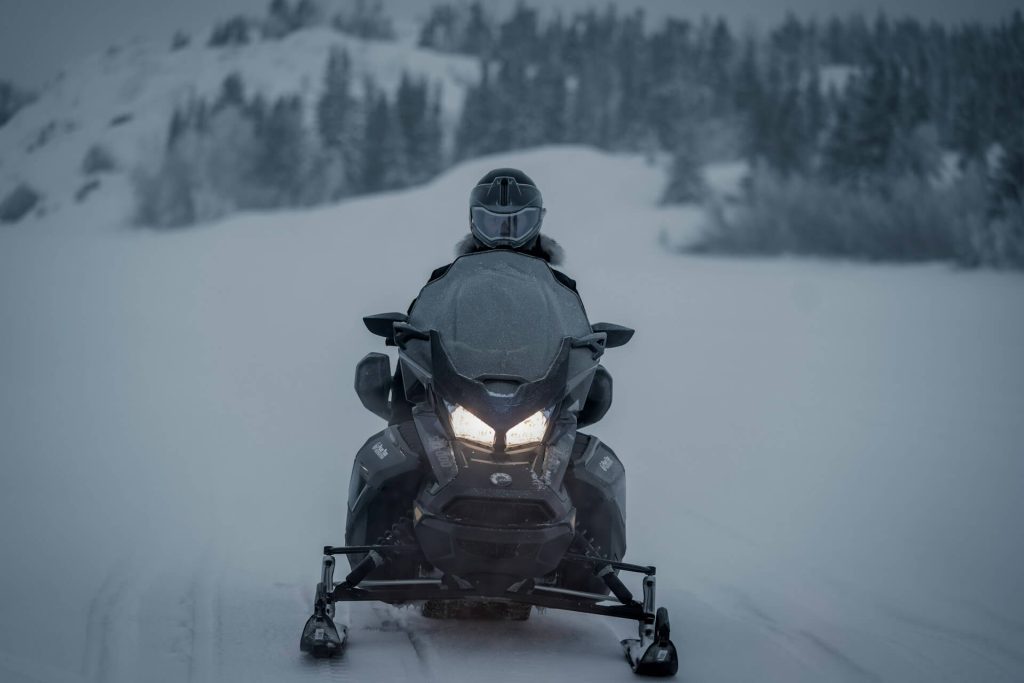
Many factors set the final number. These are the title status, mileage, and how the snowmobile was stored between rides. Local demand and inventory can also push pricing up fast when the selection is thin. Beyond these core elements, several secondary factors also influence pricing and help explain why similar sleds can vary dramatically in cost:
A new snowmobile drops fastest early. Buyers pay extra for warranty time and new features; later, value is mostly based on condition and parts access. Be cautious with salvage snowmobiles: the discount is real, but hidden tunnel, bulkhead, or exchanger damage can erase it.
On many late-model machines, a 20–30% value drop over the first three years is a typical pattern.
A snowmobile can look clean and still be overpriced. Compare the ask with local sold ads and dealer numbers, then inspect the tunnel, bulkhead, and cooling parts. A careful buyer uses these signals to negotiate – or to walk.
Checklist:
Thinking of a fair market value? This is what similar snowmobile listings actually sell for locally, not the highest asking price online. Use recent sold ads, auction results, and a dealership trade quote. Adjust for mileage, title status, and the condition of clutches, shocks, and skis and tracks so your offer is grounded.
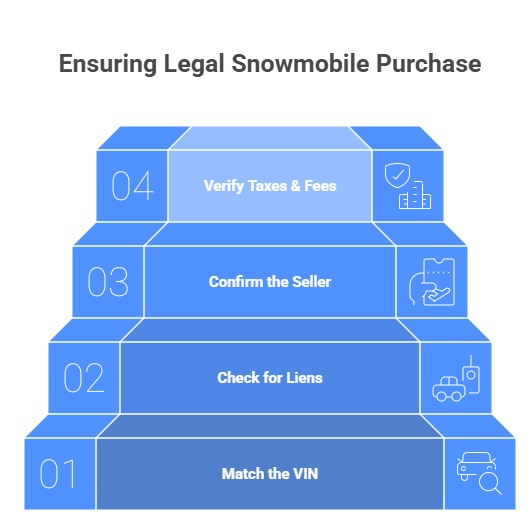
Paperwork can ruin a deal faster than a worn belt. Rules differ, and many states treat a snowmobile like a vehicle for ownership even when registration is seasonal. If a seller says you can get a salvage title cleaned easily, confirm the steps and inspection rules first.
You usually need several documents. These are a signed title or prior registration (depending on location), a bill of sale with VIN and sale price, and a lien release if financed. Keep copies of everything you need. You’ll be able to save time and money later. According to the New York State DMV, for residents of New York, this includes registering through their system, with specific requirements (an out-of-state driver’s license, a Social Security Number, etc).
A snowmobile that starts can still hide problems. Be especially careful if you’re new to snowmobiling. Paying for an inspection often pays off. A short test ride is ideal.
How much do snowmobiles cost long-term? Add the initial cost and yearly bills. Then, divide by how often you ride. A VIN decoder confirms year, trim, and motor family, so you’re pricing the correct model. From there, factor in recurring expenses like trail permits, seasonal storage, and routine wear items that accumulate each season. Insurance premiums can vary widely by state and by the machine’s age, while fuel consumption and maintenance frequency depend heavily on engine type and your riding style.
Wear items are the usual expense, but a neglected snowmobile can still run into thousands of dollars. Price can change by make and parts availability, so build a repair fund before the season starts.
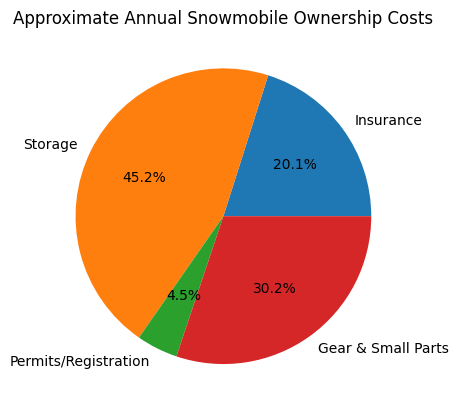
Ownership includes insurance, storage, permits, and gear. A newer sled costs more to insure; older machines can cost more in repairs. Storage matters too – indoor space reduces sun fade and rodent damage. Add fuel and trail permits for recreational use.
| Expense | Typical Cost | Notes |
| Snowmobile insurance | $200–$600/yr | Value and coverage drive price |
| Storage | $0–$150/mo | Indoor is best when possible |
| Permits/registration | $30–$150/yr | Rules and trails change |
| Gear and small parts | $200–$1,000+ | Helmet, gloves, belts |
For the average rider, annual premiums often land around $200–$600, but coverage and location can swing the total.
Renting is great for occasional outdoor adventure. Owning can be cheaper if you ride often and want a familiar setup. Factor in transportation to haul it, plus a trailer and covers. This is where atvs owners get surprised, and renting can be the cheapest choice.
| Criteria | Renting – Benefits & drawbacks | Owning – benefits & drawbacks | Best For |
| Upfront cost | Low; pay per day | Higher; purchase + setup | Visitors |
| Annual cost | Predictable | Can rise with repairs | Frequent riders |
| Convenience | Ready to go | Prep and storage | Planners |
| Responsibility | Shop handles issues | The owner handles issues | Hands-on owners |
| Long-term investment | None | Possible resale | Those who invest |
| Frequency of use | Best for 1–5 days | Best for 6+ days | Regular users |
We advise you to review the following case. You’re choosing between two vehicles. One is an older, cheaper snowmobile that’s rugged but has unknown wear. The other is a new sled that costs more but is easier to trust. On the older unit, expect to pay for belts, carbides, sliders, and shocks. On the newer unit, you pay for reliability and cleaner electronics.
Engine choice matters. A 2-stroke feels light for powder and carving. A 4-stroke is smoother for long days and trail performance. Under 4,000 miles is safer, 4,000–7,000 miles needs proof, and over 7,000 miles is higher risk. Parts availability also matters. A common ski-doo snowmobile model from a major manufacturer is easier to support. If you want one machine to ride anywhere, a clean crossover is often a great pick.
Well-maintained snowmobiles in stock condition with clear paperwork offer the best resale value. Save receipts for proper maintenance, keep mods mild, and store them clean. The best time to buy a vehicle is often late spring. At this period, sellers clear inventory and demand softens. According to the International Snowmobile Manufacturers Association (ISMA), which tracks industry-wide sales and registrations (with over 1.3 million registered snowmobiles in the U.S. alone and steady annual sales), well-maintained sleds benefit from a strong and active market that supports good resale potential

Auctions can deliver deals. However, risk is higher because inspections are limited. Read the listing notes. Also, inspect in person if you can. Try to research history before bidding. If available, pull auction history by VIN to spot title brands or repeat relists.
Even with similar miles, one snowmobile may have lived an easy life while another was pushed hard. Here are more factors that have an impact on the pricing:
– Storage environment and corrosion.
– Wear on clutches, steering, and suspension.
– Title status and paperwork completeness.
– Local market pressure and available inventory.
Yes. A non-running snowmobile may only need a battery. However, it can also hide seized engine parts or electrical damage. Bid like it’s a project, and expect towing and diagnosis before you head out.
Commercial use leaves patterns that don’t match “weekend only” claims. Here are these patterns:
– Fleet decals, drilled mounts, or company paperwork.
– Heavy tunnel scratches from constant loading.
– Worn seat and controls compared with the mileage.
Compare weight, noise, vibration, and access for routine checks. A 2-stroke is usually lighter and more playful. Thus, it’s better for beginners. A 4-stroke often suits long, steady days and perfect gas mileage. Also, consider cooling capacity for remote routes.
Not automatically. Mild safety or comfort upgrades can be fine. Big power mods, in turn, add risk. Moreover, they can complicate tuning. Don’t hesitate to ask for receipts and proof that the work was done right. Otherwise, address a trusted dealer and choose a cleaner snowmobile.
:format(webp)/vulcan.abetter.bid%2Fwp-content%2Fuploads%2F2025%2F07%2Fmarc-serota-f3Vz3tw6kVY-unsplash.jpg)
:format(webp)/vulcan.abetter.bid%2Fwp-content%2Fuploads%2F2025%2F05%2Fdonk-car.png)
:format(webp)/vulcan.abetter.bid%2Fwp-content%2Fuploads%2F2026%2F10%2Ffees1.jpg)
:format(webp)/vulcan.abetter.bid%2Fwp-content%2Fuploads%2F2026%2F10%2Flisting9.jpg)
:format(webp)/vulcan.abetter.bid%2Fwp-content%2Fuploads%2F2026%2F09%2Fcopart.jpg)

