


 FAQ
FAQ 
Auto Auction Blog
March 27, 2024
How Much Is a Salvage Title Car Worth?
:format(webp)/vulcan.abetter.bid%2Fwp-content%2Fuploads%2F2022%2F10%2F2022-10-05-11.30.40-150x150.jpg)


Customer Service
9 am - 6 pm EDT
Monday - Friday
International
+1 (302) 613 - 1026Toll-Free
+1 (888) 277 - 3182:format(webp)/vulcan.abetter.bid%2Fwp-content%2Fuploads%2F2025%2F07%2Fmarc-serota-f3Vz3tw6kVY-unsplash.jpg)
New jet skis typically cost between $5,000 and $18,000, with luxury models exceeding $20,000. The final price depends on the brand, engine power, features, and model year. Before buying, it’s important to understand what you’re paying for and how factors like performance, technology, and size influence the cost.
Multiple factors determine the average jet ski price. These are engine specifications, brand reputation, and performance features. Grasping these aspects helps water sports enthusiasts make informed decisions.
Engines ranging from 60 to 310 horsepower significantly impact pricing.
Yamaha holds approximately 46% of the personal watercraft market share around the world.
Prices for used jet skis range from $2,500 to $12,000. Their condition, age, maintenance history, and model specifications define the jet ski price range. Buyers should carefully evaluate the average number of owners. Inspect the vehicle thoroughly. When considering salvage jet skis, you can often clean a salvage title.

Insight from A Better Bid:
A 2-year-old Yamaha jet ski averages $8,800, but by year 5, it’s down to $6,800. It’s a 23% depreciation.
Sea-Doo drops harder: from $7,500 (2 years) to $4,200 (5 years), losing 44% of its value.
Kawasaki holds value better by year 8, with resale prices still around $4,000, or roughly 50% of its 2-year price.
Takeaway: Yamaha models depreciate slowly, while Sea-Doo buyers should expect sharper value drops after year 2.
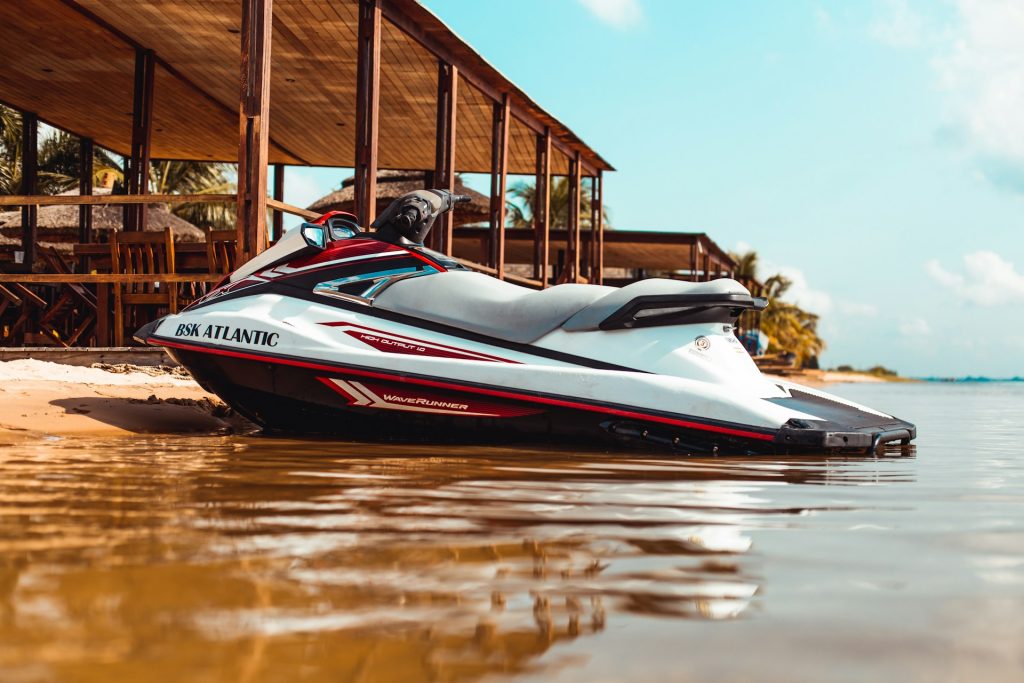
Many people use these terms interchangeably. However, there are essential distinctions. Seasoned pros and newcomers alike appreciate the thrill of these high-performance machines. This introduction to personal watercraft terminology helps clarify the market.
| Term | Definition | Key Features |
| Jet Ski | Generic term for stand-up watercraft | Original design, requires standing, more challenging to ride, typically more affordable |
| WaveRunner | Yamaha’s brand name for sit-down PWC | Sit-down design, easier for beginners, better comfort, premium features |
| PWC | Personal Watercraft (industry term) | Covers all jet-propelled recreational jet skis, various models |
Owning a PWC involves ongoing expenses. They extend well beyond the initial investment. Such expenses include maintenance, insurance, and fuel expenses. Comfort features have evolved significantly. Improved seating and convenience options enhance the overall riding experience for friends and family members. Advanced models offer superior maneuvering capabilities.
Registration requirements vary by place. However, most states require personal jet ski registration. The process typically involves fees and documentation.
38 states require PWC operators to complete a boating safety course before operating their watercraft.
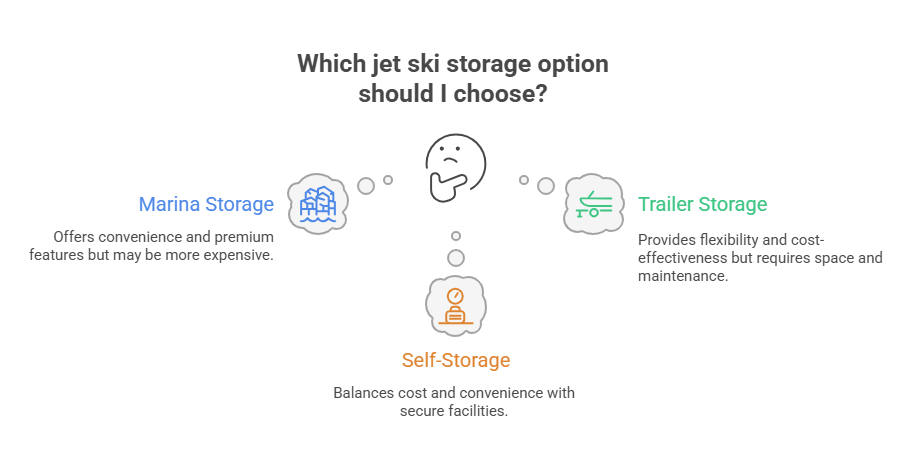
Storage expenses significantly impact the total expense of jet ski ownership, with each option offering different levels of comfort and pricing structures. Consider your usage patterns and place when selecting the best solution. Enhanced compartments often come loaded with premium features and advanced technology.
| Storage Type | Monthly Cost | Pros | Cons |
| Marina | $150-$400 | Convenient water access, safety, and service | Expensive, poor availability, waiting lists |
| Trailer | $0-$50 | Flexibility, lower costs, and travel possibilities | Requires a towing vehicle, launch fees, and weather exposure |
| Self-Storage | $75-$150 | Secure, weather protection, accessible | No direct water access, transport needed, size limitations |
You’ll need to pay $800-2,500 for a quality jet ski trailer. Towing requires a suitable vehicle with proper capacity. Consider launch fees, fuel for towing, trailer maintenance, and insurance. Some dealers and specialty store places offer trailer packages. They can reduce overall expenses.
Comparing rentals to ownership helps define the best financial approach based on your usage frequency. Consider your storage situation. Always plan service preferences and riding schedule. For many owners, mid-range models offer the perfect balance of performance and value.
| Option | Cost Structure | Best For |
| Jet Ski Rentals | $60-$120/hour | Occasional riders, vacationers, trying different models |
| Ownership | $8,000-$15,000 initial + ongoing | Regular users, weekend enthusiasts, customization lovers |
| Break-even Point | ~25-40 rental hours | Depends on usage patterns and local rental rates |
Electric jet skis represent emerging technology. They demonstrate higher upfront costs but lower operating expenses and environmental benefits. These models’ prices vary from $15,000 to $25,000. They offer quiet operation and reduced maintenance requirements.
Environmentally conscious riders will appreciate such machines’ innovative performance. Personal ownership offers something for everyone in the world of water sports.
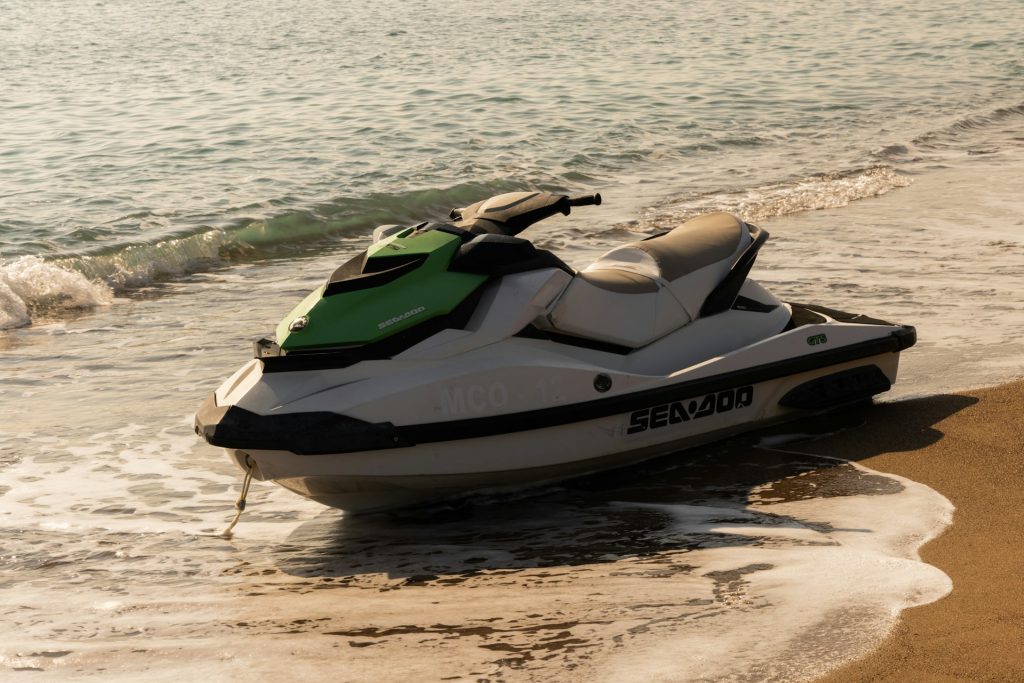
Consider timing, research, and negotiation skills. Reputable brands like Yamaha still provide excellent performance. Nonetheless, luxury models can be quite pricey.
According to A Better Bid, jet ski value typically decreases by 15-20% in the first year. Slightly used jet ski models are attractive options.
Entry-level brand-new jet ski options start around $5,000 to $7,000. They offer basic features and reliable performance. Buyers exploring affordable jet ski options for fun and entertainment will find such machines attractive. Models like the Sea-Doo Spark 2UP and Yamaha EX are among the most affordable options on the market.
A VIN decoder can help verify the history of used jet skis. When evaluating any used jet ski, determine its maintenance history. Verify you can clean a salvage title if applicable. This affects resale value and insurance options. Performance features justify higher prices in luxury models.
Jet ski prices vary dramatically. The market offers various design features, models, and performance capabilities. New jet ski models range from $5,000 to $20,000. Used jet skis offer significant savings. Consider storage, maintenance, and insurance costs. The money you spend ensures years of fun and ongoing watersports adventures. Still wondering, how much does a jet ski cost? As explained, this depends on some key factors.
Range depends on engine size, riding style, and water conditions. Most modern vehicles can ride substantial distances on a single tank.
Recreational Models: 100-150 miles per tank (normal riding).
High Performance Models: 80-120 miles due to larger engines and higher fuel consumption.
Luxury Jet Skis: 120-200 miles (larger fuel capacity, efficient four-stroke engines).
Factors Affecting Range: Wave conditions, rider weight, and acceleration patterns significantly impact fuel consumption.
Start a Yamaha WaveRunner on land only with proper water cooling. Engines require water flow to prevent overheating and damage. Always ensure an adequate water supply.
Saltwater and debris cause corrosion. Performance issues are inevitable over time.
– Corrosion Damage: Salt deposits build up in cooling passages.
– Clogged Systems: Sand and debris block water intake and cooling channels.
– Reduced Performance: Overheating and power loss occur from inadequate cooling.
– Expensive Repairs: Engine rebuilds can cost thousands if you aren’t maintaining proper flushing habits.
Most states require boating safety certification. Requirements vary by place. Many states mandate courses for operators under specific age limits. Even an experienced boat captain should verify local requirements.
Lake regulations vary significantly. Locations and managing authorities are the aspects to consider. Some lakes restrict horsepower. Others prohibit personal jet skis entirely.
:format(webp)/vulcan.abetter.bid%2Fwp-content%2Fuploads%2F2024%2F03%2Fartem-beliaikin-vAh9TyyI7wM-unsplash.jpg)
:format(webp)/vulcan.abetter.bid%2Fwp-content%2Fuploads%2F2024%2F04%2Fgetty-images-yr5M7H9i1mg-unsplash.jpg)
:format(webp)/vulcan.abetter.bid%2Fwp-content%2Fuploads%2F2026%2F10%2Ffees1.jpg)
:format(webp)/vulcan.abetter.bid%2Fwp-content%2Fuploads%2F2026%2F10%2Flisting9.jpg)
:format(webp)/vulcan.abetter.bid%2Fwp-content%2Fuploads%2F2026%2F09%2Fcopart.jpg)

