


 FAQ
FAQ 
Auto Auction Blog
March 23, 2023
How to Buy Cars at Auction: Buying Guide & Tips
:format(webp)/vulcan.abetter.bid%2Fwp-content%2Fuploads%2F2022%2F10%2F2022-10-05-11.30.40-150x150.jpg)


Customer Service
9 am - 6 pm EDT
Monday - Friday
International
+1 (302) 613 - 1026Toll-Free
+1 (888) 277 - 3182:format(webp)/vulcan.abetter.bid%2Fwp-content%2Fuploads%2F2025%2F03%2Fgetty-images-gsusX9fxaLE-unsplash.jpg)
Intend to buy a used car? The number of previous owners can reveal numerous potential issues. Certainly, there’s no magic or wrong number that concerns all situations. Nonetheless, realizing how possession patterns affect reliability can save you thousands when a car has had too many owners. Check all the suspicious details and avoid buying a car with hidden issues.
When buying a used car, most drivers pay particular attention to odometer readings, age, and price. But possession history tells a deeper story about how the vehicle has been treated. Cars that have passed through multiple hands in a short period often continue showing underlying issues that sent previous owners running for the exit.
When a car is sold, it may experience different driving habits, including wrong ones, maintenance schedules, and care levels. A vehicle driven by three scrupulous owners might be in better shape than a single-owner car with inadequate maintenance. Therefore, such an assessment is crucial when evaluating a used car’s condition.
Different vehicle types tend to have different possession patterns. Luxury vehicles are often leased and may have many owners in their early years. Some economy cars, in turn, tend to stay with the same owner longer.
| Vehicle Type | Average Owners at 5 Years | Average Owners at 10 Years |
| Economy Car | 1-2 | 2-3 |
| Luxury Car | 2-3 | 3-4 |
| Sports Car | 2-3 | 3-5 |
| SUV | 1-2 | 2-3 |
| Truck | 1-2 | 2-3 |
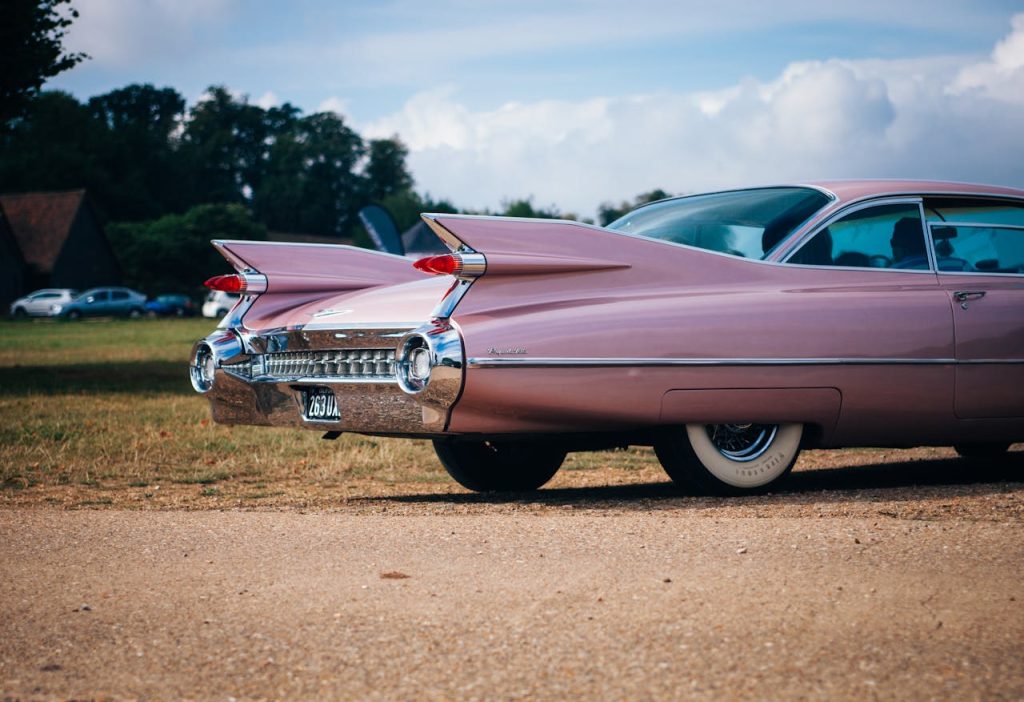
Numerous owners can actually be beneficial to classic and collector vehicles. These cars often change hands among enthusiasts who understand proper maintenance. Each owner may have invested in restoration or preservation.
Many well-maintained classics have had 5+ owners over decades, with each caretaker adding documentation and continuing to address technical gaps before they become severe issues.
Models without critical issues and with strong reputations for reliability often have numerous owners just because they last longer. For example, a 15-year-old Toyota or Honda with four previous owners can run reliably for 250,000+ miles. Proper maintenance, however, is a vital prerequisite. A high number, in this case, may just reflect the car’s longevity rather than any serious issues.
Some vehicles get passed around quickly because they have serious, recurring issues that are difficult or expensive to fix. Here are warning signs and wrong patterns to watch for:
When a used car has changed hands within the same state or region, it can be a red flag. Local owners may have access to the same service centers and dealer networks, meaning the vehicle has been looked over by multiple shops that all identified potential issues. Multiple local owners suggest that the car’s issues are well-known in the area, and sellers continue trying to get rid of it.
Title washing is a wrong and deceptive practice used to conceal a vehicle’s true history by moving it across state lines. This can mask the actual number of previous owners and hide serious issues. Be suspicious when you see:
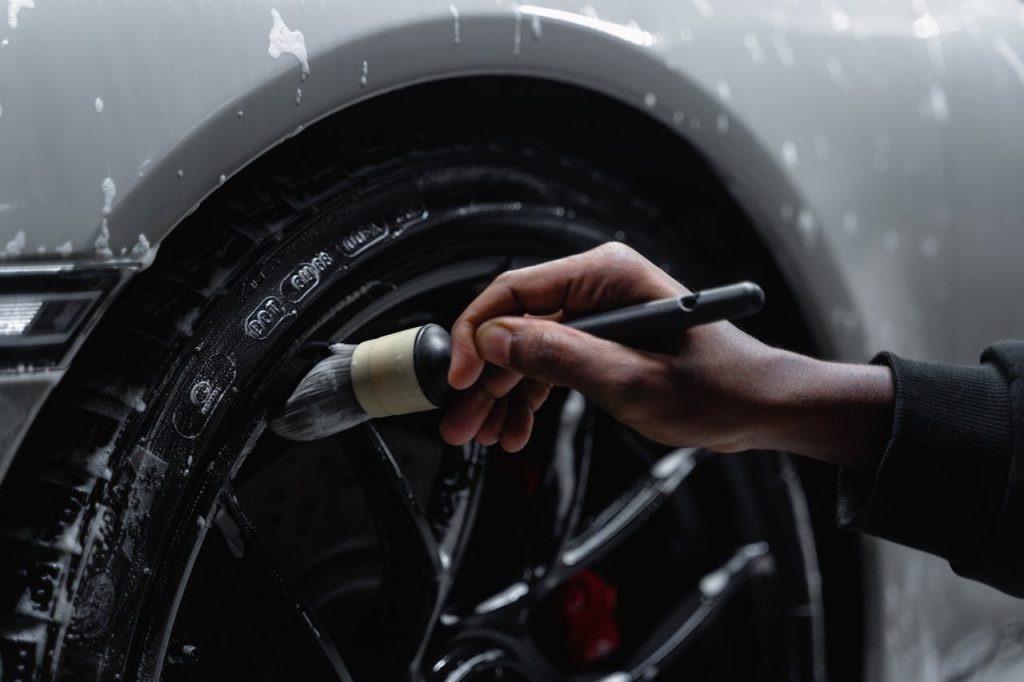
Some individuals buy damaged or problematic cars cheaply, make cosmetic repairs, and quickly resell them for profit without addressing underlying issues. Here’s how to check a flipped car with possible issues:
A consistent service history is a vital aspect to take into account. Review how different factors manifest themselves:
| Factor | Weight | Why It Matters |
| Service History | ★★★★★ | Shows if the car received proper or wrong maintenance regardless of who owned it |
| Number of Owners | ★★★☆☆ | Can indicate possible issues but isn’t always definitive |
| Period Per Owner | ★★★★☆ | Short periods are more concerning than the total number |
| Mileage Per Owner | ★★★★☆ | Lower mileage per owner suggests gentler use |
| Cause of Sale | ★★★★☆ | Transparent causes of changes are reassuring |
| Documentation | ★★★★★ | Complete records across all owners is the gold standard |

While single-owner cars are often marketed as superior, this isn’t always true. Here are situations where a single-owner vehicle might actually be worse than a multi-owner car:
The number of previous owners can affect your ownership costs in this state/country and beyond. Insurance companies sometimes view vehicles with numerous owners as higher risk. Lenders may also be hesitant to finance a car with many owners. These implications are often overlooked but can add significant expense to a car.
Unlike a new car, when buying a used car, the number of previous owners should be a substantial factor in your decision. However, it shouldn’t be the only one. A vehicle with multiple satisfied owners and complete service records may be a better buy than a neglected one-owner car. Continue focusing on the overall picture: wrong maintenance history, cause of title changes, and the vehicle’s current condition to highlight possible issues.
Always get a pre-purchase inspection, check the VIN decoder information, and review the complete history report before buying. The right used car is influenced by some factors beyond simply counting names on a title.
There are many legitimate reasons for this. Common examples include job relocations, growing families needing larger vehicles, or financial changes. Two owners within a reasonable period isn’t necessarily a warning sign if the service history is solid.
Such car owners need to prioritize reliability, safety, and adequate costs. Good options that are worth buying include:
Toyota Corolla or Honda Civic (high reliability and affordable maintenance).
Mazda3 (reliability plus engaging driving dynamics).
Subaru Impreza for all-wheel drive in snowy regions.
Hyundai Elantra or Kia Forte for strong warranties on newer used models.
Toyota Prius for fuel economy and proven hybrid technology.
No, this generally isn’t possible under current law. Vehicle registration requires proper identification and signatures. Physical presence at the DMV may also be needed. If you have any concerns, contact your local DMV and police department immediately. Continue your analysis to address possible identity theft.
No, it’s wrong to assume that you can legally alter legitimate records. These records are maintained by:
State DMVs and registration agencies.
Vehicle history reporting companies.
Title and registration databases.
Insurance claim databases.
Not necessarily. Wear and tear depends more on how the used car was driven and maintained than on how many people owned it. A well-maintained vehicle with several careful owners could be in better condition than a poorly maintained car with a single owner but with numerous technical issues. Check the service history and physical condition.
:format(webp)/vulcan.abetter.bid%2Fwp-content%2Fuploads%2F2023%2F03%2Frawkkim-UsWvRFTssRs-unsplash.jpg)
:format(webp)/vulcan.abetter.bid%2Fwp-content%2Fuploads%2F2023%2F10%2Fgetty-images-sWy08yx4Bmo-unsplash.jpg)
:format(webp)/vulcan.abetter.bid%2Fwp-content%2Fuploads%2F2025%2F01%2Fcreativ-94-5X5-iyx1SP0-unsplash.jpg)
:format(webp)/vulcan.abetter.bid%2Fwp-content%2Fuploads%2F2026%2F10%2Ffees1.jpg)
:format(webp)/vulcan.abetter.bid%2Fwp-content%2Fuploads%2F2026%2F10%2Flisting9.jpg)
:format(webp)/vulcan.abetter.bid%2Fwp-content%2Fuploads%2F2026%2F09%2Fcopart.jpg)

