


 FAQ
FAQ 
:format(webp)/vulcan.abetter.bid%2Fwp-content%2Fuploads%2F2025%2F01%2Fchad-stembridge-1Je0QPQbCUM-unsplash.jpg)
Auto Auction Blog
January 27, 2025
What Is a Biohazard Car? Risks, Cleaning, and Buying Tips
:format(webp)/vulcan.abetter.bid%2Fwp-content%2Fuploads%2F2022%2F10%2F2022-10-05-11.30.40-150x150.jpg)


Customer Service
9 am - 6 pm EDT
Monday - Friday
International
+1 (302) 613 - 1026Toll-Free
+1 (888) 277 - 3182:format(webp)/vulcan.abetter.bid%2Fwp-content%2Fuploads%2F2025%2F05%2Fdonk-car.png)
Many car enthusiasts frequently wonder: What is a donk car? Let’s first dive into a unique automotive subculture that emerged from American streets. A donk represents heavily customized Chevrolet cars from specific model years, featuring oversized wheels that make a big statement. These donked-out cars have become iconic symbols in the custom car world, with their towering presence and eye-catching modifications drawing attention at car shows and racing events across the nation.
A donk refers to a modified Chevrolet Caprice, typically from 1971-1976, though the term has expanded over the decades. The donk vehicle’s meaning centers around dramatic suspension modifications and larger wheels that elevate the vehicle well above ground level. These cars transform ordinary Chevrolet cars into rolling works of art that showcase automotive customization. When considering what is considered a donk, enthusiasts often debate the details, but most agree that authentic examples must feature significant height increases. Smart buyers should check the VIN decoder to verify specifications, especially when buying cars at auctions where documentation might be incomplete.
Key defining features of donk cars:
The trend originated in South Carolina and later spread throughout the East Coast during the late 1970s. Car enthusiasts began modifying their Chevrolet Caprice and Impala models. The Impala logo, which resembled a leaping donkey, inspired them. This connection led to such cars being referred to as “donkey” by owners, which eventually shortened to “donk.” The trend became a form of self-expression that allowed owners to showcase their personality within their communities, particularly in urban areas where these vehicles became symbols of success.
| Decade | Key Developments | Popular Models |
| 1970s-1980s | Original donk car origin with basic lifts | 1971-1976 Chevrolet Caprice |
| 1990s-2000s | Larger wheels became standard, paint trend emerged | Expanded to include Impala and other Chevy models |
| 2010s-Present | Extreme modifications, donk racing popularity, and SUVs entered the scene | Classic models plus donk SUV and lifted truck variations |
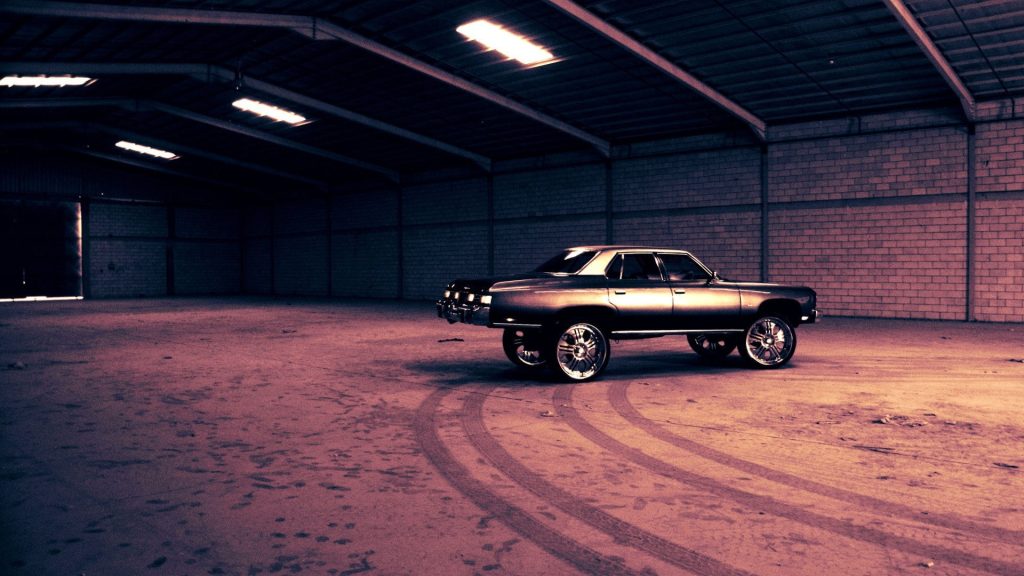
Authentic donk cars follow specific guidelines that separate them from other custom cars. The vehicle must maintain certain proportions and styling elements that honor the original donk culture. True donk model cars showcase craftsmanship that goes beyond simply installing big wheels. Still wondering, what car is a donk? This depends on these authentic characteristics. Many buyers find themselves dealing with too many owners for a used car in this market, making research essential.
Essential characteristics of legitimate donk cars:
Each custom car style serves different purposes and appeals to distinct communities.
Lowriders and donk cars represent opposite philosophies in vehicle upgrades. While both designs involve significant suspension changes, their approaches couldn’t be more different.
| Aspect | Donk Cars | Lowriders |
| Height | Lifted high above ground | Lowered close to the ground |
| Wheels | Oversized (22-30+ inches) | Smaller with low-profile tires |
| Origin | South Carolina, East Coast | California, Southwest |
| Purpose | Maximum height and presence | Hydraulic dance, smooth ride |
The donk world includes related designs that target different Chevrolet model years. Understanding these distinctions helps answer the following question: What car is a donk?
| Style | Model Years | Key Features |
| Donk | 1971-1976 Chevrolet Caprice | Original donk style, round body lines |
| Box Chevy | 1977-1990 Caprice/Impala | Angular, boxy design aesthetic |
| Bubble Chevy | 1991-1996 Caprice/Impala | Rounded, aerodynamic body style |
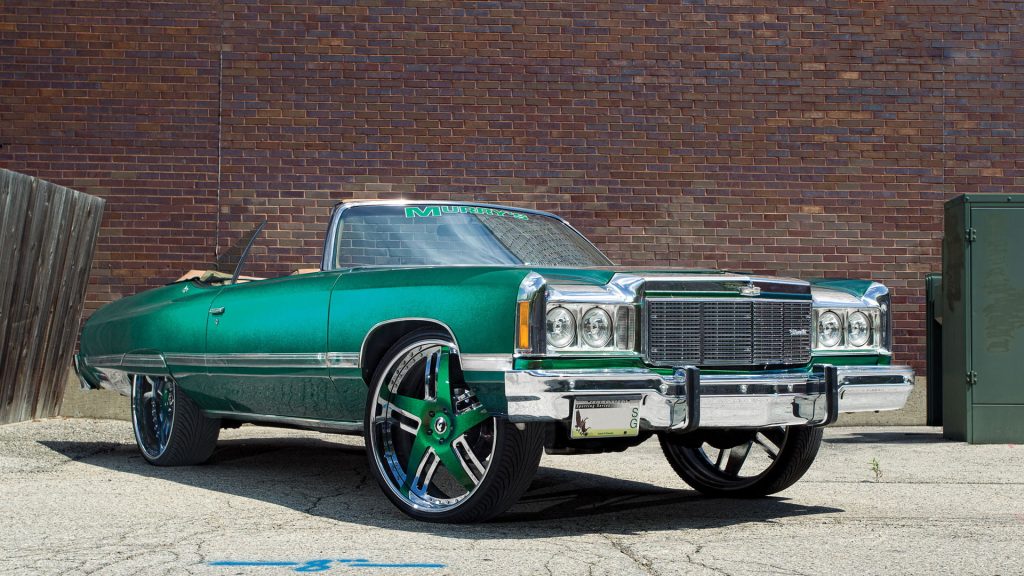
Building the best donk cars requires careful planning, quality parts, and professional installation for safety. The process involves multiple stages of upgrades that transform a stock vehicle into a show-stopping machine. Each step builds upon the previous work to create the final result. Successful builders spend months planning their donk cars, considering budget, intended use, and design preferences. Many prefer starting with Chevrolet cars that have clean titles to ensure a solid foundation. Understanding what is a donk car helps builders make informed decisions about their changes.
Essential donk building process:
Modified cars face unique challenges on public roads due to their extreme changes. The elevated center of mass affects handling characteristics. Big wheels can impact traction and braking performance. Drivers must adapt their driving style to accommodate altered dynamics. This particularly concerns cornering. Here, loss of traction becomes more likely. Insurance companies often treat these transformed vehicles differently, requiring specialized coverage. Some states have regulations regarding vehicle height modifications that owners must consider.
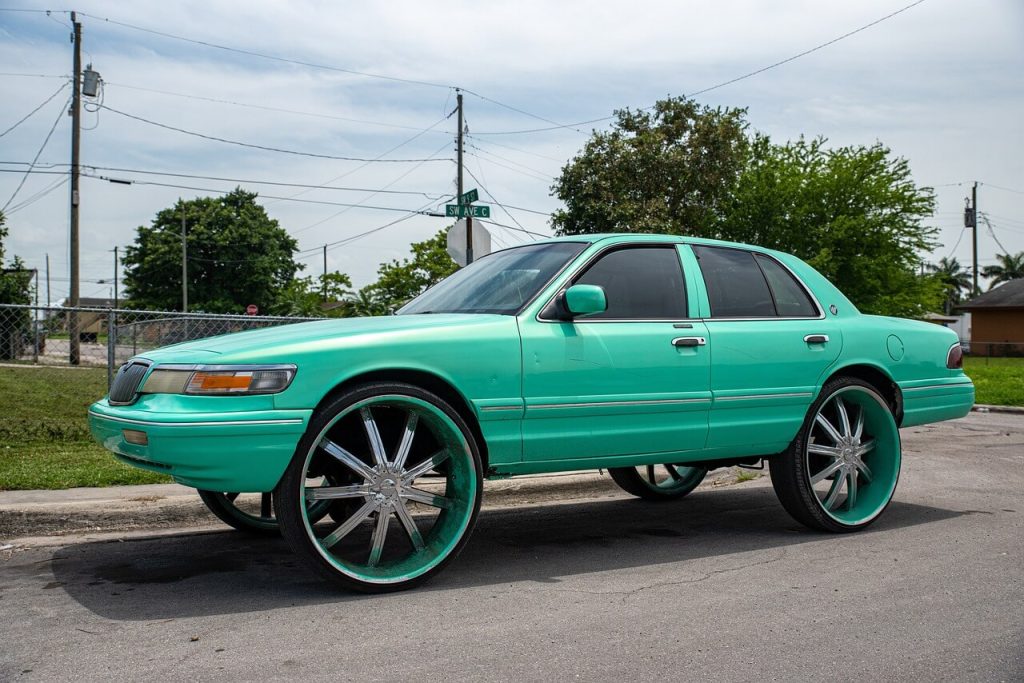
The value varies dramatically based on build quality, year, and upgrade extent. Professional builds with quality components command higher prices than basic conversions. The market for these custom cars continues growing as enthusiasts appreciate the craftsmanship involved. Buyers should expect prices to reflect the quality of workmanship, with detailed documentation on every page of maintenance records adding significant value. Factors affecting value include base vehicle quality, extent of modifications, and current market trends. Best cars often feature meticulous attention to detail and professional installation that ensures both form and function work harmoniously.
| Build Level | Price Range | Typical Features |
| Basic Donk | $15,000-$25,000 | 22-24 inch wheels, basic suspension lift |
| Mid-Level Build | $25,000-$45,000 | 26-28 inch wheels, paint, and changed interior |
| Show-Quality Donk | $45,000-$80,000+ | 30+ inch wheels, complete custom work, racing components |
The definition of donk car encompasses more than simple changes on a Chevrolet vehicle; it represents a distinct automotive culture. These vehicles showcase creativity from the 1970s to today’s sophisticated builds featuring custom paint work. Donk cars continue evolving while participating in donk racing events and car shows. The donk culture includes old school donk car builds plus modern donk SUV, donk truck, and even donk motorcycle variations, proving this automotive trend continues adapting to new enthusiasts seeking unique custom donk cars.
Racing donks can achieve impressive speeds despite their size and weight. Professional drag racing vehicles often feature upgraded engines and aerodynamic changes to maximize performance on the track.
Street-driven donks: 85-120 mph typical top speed.
Transformed racing donks: 130-160 mph with engine changes.
Professional drag racing donks: 180+ mph in quarter-mile runs.
Factors affecting speed: weight, aerodynamics, engine changes, tire size.
A completely transformed donk typically weighs between 4,500-6,000 pounds. It’s significantly more than the original vehicle. The additional mass comes from reinforced components, larger tires, plus extensive interior and audio system changes. They all add substantial weight to the overall package.
Professional donk construction requires specialized equipment beyond basic automotive tools. The complex work demands precision instruments and heavy-duty lifting equipment to safely complete the transformation.
– Heavy-duty floor jacks rated for increased vehicle weight.
– Professional alignment equipment for proper wheel setup.
– Welding equipment for frame and bumper changes.
– Specialized suspension tools for coilover installation.
– Digital measuring devices for precise ride height adjustment.
Donk cars generally aren’t ideal for extended highway travel due to their modified wheel setup. The elevated ride height and oversized wheels can create comfort issues, while fuel economy typically suffers compared to stock vehicles during long-distance driving scenarios.
The impact on resale value depends heavily on modification quality and market demand. Well-executed builds from reputable shops can maintain or increase value, while poor changes typically reduce worth significantly. Original Chevy Caprice samples often appreciate when properly transformed.
Quality of workmanship and parts used in the build.
Completeness of documentation and receipts for upgrades.
Current market trends and regional demand for the design.
Condition of the original vehicle before changes began.
Ability to return the car to stock configuration if needed.
:format(webp)/vulcan.abetter.bid%2Fwp-content%2Fuploads%2F2025%2F02%2Fscott-rodgerson-ffH_GkINfyY-unsplash.jpg)
:format(webp)/vulcan.abetter.bid%2Fwp-content%2Fuploads%2F2025%2F02%2Fpexels-nikola-tomasic-58494762-26346987.jpg)
:format(webp)/vulcan.abetter.bid%2Fwp-content%2Fuploads%2F2026%2F09%2Fev.jpg)
:format(webp)/vulcan.abetter.bid%2Fwp-content%2Fuploads%2F2026%2F09%2Fflipping.jpg)
:format(webp)/vulcan.abetter.bid%2Fwp-content%2Fuploads%2F2026%2F09%2Fcopart.jpg)

