


:format(webp)/vulcan.abetter.bid%2Fwp-content%2Fuploads%2F2025%2F01%2Fchad-stembridge-1Je0QPQbCUM-unsplash.jpg)
 FAQ
FAQ 
:format(webp)/vulcan.abetter.bid%2Fwp-content%2Fuploads%2F2024%2F07%2Ffilip-bunkens-S07WZ4ESDro-unsplash.jpg)
Auto Auction Blog
July 3, 2024
Common Car Flood Damage Symptoms
:format(webp)/vulcan.abetter.bid%2Fwp-content%2Fuploads%2F2022%2F10%2F2022-10-05-11.30.40-150x150.jpg)


Customer Service
9 am - 6 pm EDT
Monday - Friday
International
+1 (302) 613 - 1026Toll-Free
+1 (888) 277 - 3182No matter whether you’re hunting for a great price on a used car or a new vehicle. You might have met biohazard vehicles at car auctions. While these cars offer significant savings, realizing what makes a car “biohazard” and the potential threats involved is critical before making a purchase. You’re welcome to learn some vital data about buying, cleaning, and maintaining a biohazard car adequately and safely.
A biohazard vehicle is an auto exposed to biological contaminants occurring due to accidents, unattended deaths, suicide, or other incidents. Such vehicles often contain particles of human remains, blood, or other bodily fluids and hazardous materials. Professional cleaning is required before these cars can be safely used again. Insurance firms typically classify these autos distinctively from regular salvage titles. When selling them, specific laws should be observed regarding safety and full disclosure of the car’s history.
Various incidents may cause a car being classified as a biohazard. Each case presents unique challenges for cleanup and restoration. Realizing these categories helps when researching potential purchases at public auto auctions.
While both biohazard cars and other salvage titles sell at reduced prices, biohazard vehicles face unique challenges. Unlike typical salvage titles that mainly deal with structural damage, biohazard cars require specialized cleanup processes and certification. Owners definitely need to disclose the car’s past as a contaminated vehicle. Otherwise, it will be challenging to sell such a car in the future.
Even after deep cleaning, biological contaminants can lurk in hidden spaces within a biohazard automobile. As potential risks, exposure to bloodborne pathogens and harmful bacteria should be mentioned. They may survive in the vehicle’s upholstery or ventilation system.
The presence of these hazards often requires multiple rounds of industrial cleaner applications and professional inspection to ensure safety. Even when trying to clean biohazard cars, safe procedures are not guaranteed since occupants may face potential health risks from exposure to remaining contaminants.
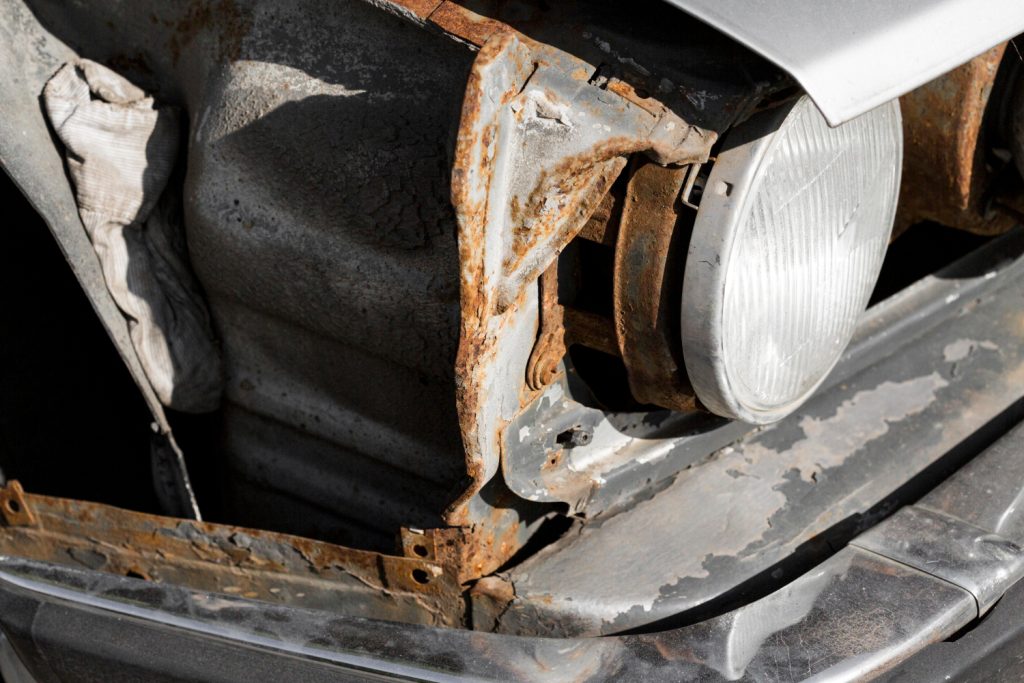
Biohazard accidents frequently cause unexpected structural issues. This happens when blood or other bodily fluids seep into the car’s framework. As a result, corrosion emerges, and the vehicle’s integrity is compromised over time.
Electrical systems may also suffer damage from exposure to fluids or cleanup chemicals. These problems might not be immediately apparent during initial inspection but could surface later, leading to costly repairs.
Purchasing a biohazard car requires careful attention to specific laws and regulations. The seller must provide full disclosure about the vehicle’s history, and buyers should verify that all necessary cleanup certificates are present to make a good deal. Different states have varying requirements for registering and insuring these vehicles.
Before buying biohazard-damaged cars at online auto auctions or through private sales, several crucial factors deserve careful consideration. Here’s what experienced buyers check so as not to lose the car’s future resale value:
Research is your best defense against fraudulent sales of biohazard cars. Always verify the seller’s credentials and request documentation of professional training in handling such vehicles. Consider utilizing a VIN decoder every time to check the vehicle’s history for accuracy in reported accidents.
The initial price of a biohazard car can be 40-60% lower than the market value. This substantial discount makes these vehicles attractive to buyers willing to handle the additional due diligence and cleanup requirements.
With proper documentation and cleaning, a well-maintained biohazard car can recover much of its resale value. The key lies in maintaining detailed records of all cleanup and maintenance procedures.
The type of biohazard incident, thoroughness of cleaning, and overall condition significantly impact a car’s value. Vehicles with minimal exposure and complete professional cleaning certificates typically command higher prices.
Keep detailed records of all cleanup procedures, maintain regular service schedules, and obtain multiple professional certificates verifying the car’s safety. This documentation helps ensure the best possible asking price when selling.
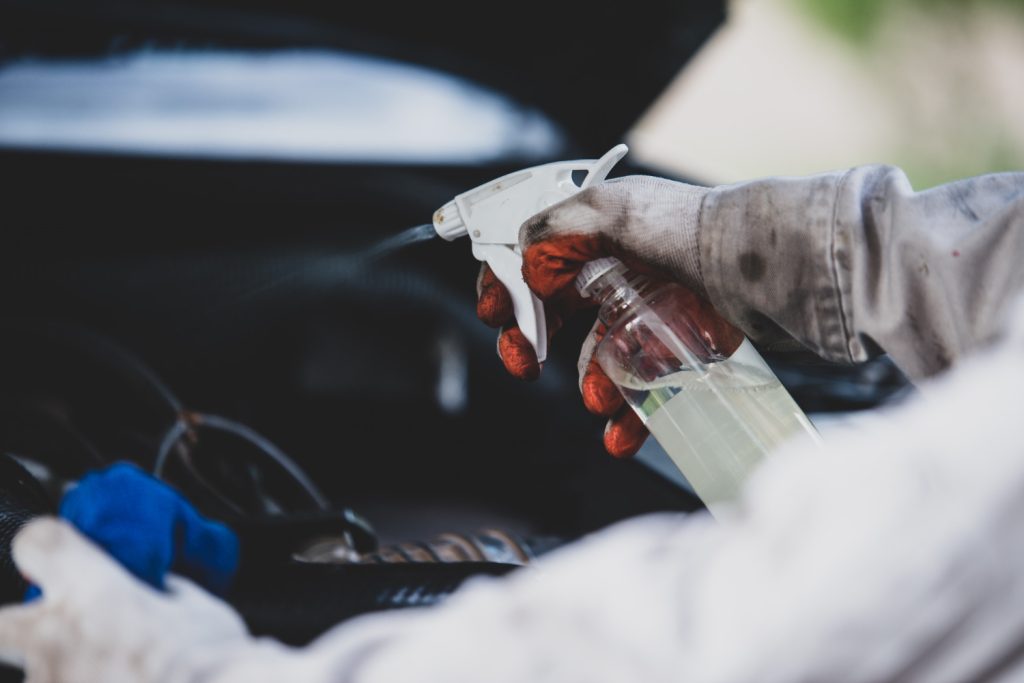
The cleaning of a biohazard car is based on multiple stages. The procedure requires specialized equipment and expertise. Here’s an example of what the process typically includes:
Buying a biohazard car can offer significant savings for those willing to navigate the complexities involved. Success requires understanding the risks, ensuring proper cleaning, and maintaining detailed documentation of the car’s history and restoration process. With careful research and professional assistance, these vehicles can provide reliable transportation at a fraction of typical market prices.
The key to a successful biohazard vehicle purchase lies in balancing the potential savings against safety concerns and future maintenance needs. Following proper protocols and working with qualified professionals are significant for buyers to turn these challenging purchases into valuable investments.
Most insurers include biohazard cleaning in the general coverage. However, policies may vary. Always check with your insurance company about specific coverage limits and requirements for incidents.
Extensive mold growth can certainly classify a car as a biohazard. This is particularly relevant when the car has been in a flood. Deep cleaning is vital for meeting mold-related safety concerns.
Pay particular attention to unexplained health symptoms. These are headaches, respiratory issues, or skin irritation. Suspected contamination is a critical reason for requesting a deep vehicle inspection.
Yes, biohazard vehicles are to follow relevant disposal protocols. This is necessary to prevent environmental contamination. Professionally cleaned cars should pass the proper certification during the disposal process.
No, sellers are to fully disclose a car’s history. Failing to provide this data is illegal. Moreover, this may result in serious legal consequences for a new owner.
A special sticker shows the vehicle has been exposed to biological contaminants. This warning helps protect anyone who might come into contact with the car.
Professional cleaning may cost around $1,000-$5,000. The price depends on contamination severity. The cost includes thorough cleaning, sanitization, and necessary certificates.
The corresponding cleaning includes several procedures. These are the removal of contaminated materials, deep cleaning of all surfaces, sanitization of ventilation systems, and professional certification of the vehicle’s safety for use.
:format(webp)/vulcan.abetter.bid%2Fwp-content%2Fuploads%2F2023%2F07%2Ftara-meinczinger-kVakWKgidgE-unsplash.jpg)
:format(webp)/vulcan.abetter.bid%2Fwp-content%2Fuploads%2F2022%2F10%2F2022-10-05-11.31.58-150x150.jpg)
:format(webp)/vulcan.abetter.bid%2Fwp-content%2Fuploads%2F2026%2F10%2Ffees1.jpg)
:format(webp)/vulcan.abetter.bid%2Fwp-content%2Fuploads%2F2026%2F10%2Flisting9.jpg)
:format(webp)/vulcan.abetter.bid%2Fwp-content%2Fuploads%2F2026%2F09%2Fcopart.jpg)

