


:format(webp)/vulcan.abetter.bid%2Fwp-content%2Fuploads%2F2024%2F03%2Fgetty-images-jEMUFWYKrow-unsplash.jpg)
:format(webp)/vulcan.abetter.bid%2Fwp-content%2Fuploads%2F2022%2F10%2F2022-10-05-11.30.40-150x150.jpg)
 FAQ
FAQ 
Auction Tips
July 20, 2023
What is a rebuilt title?
:format(webp)/vulcan.abetter.bid%2Fwp-content%2Fuploads%2F2022%2F10%2F2022-10-05-11.31.58-150x150.jpg)


Customer Service
9 am - 6 pm EDT
Monday - Friday
International
+1 (302) 613 - 1026Toll-Free
+1 (888) 277 - 3182When it comes to purchasing a vehicle, the words “rebuilt title” can evoke a mixture of curiosity and caution. Understanding what a rebuilt title signifies is essential for anyone considering buying such a car. This detailed exploration will provide clarity on rebuilt titles, contrasting them with salvage titles, and discuss the benefits and drawbacks of owning a rebuilt vehicle. It helps potential buyers navigate the complexities of the automotive market, especially when dealing with cars that have been through significant events. By delving into the specifics of what constitutes a rebuilt title, individuals can make more informed choices, balancing their budgetary constraints with their need for safety and reliability. This guide aims to equip consumers with the necessary knowledge to assess whether a rebuilt title car aligns with their automotive needs and lifestyle choices.
Table of Content
A vehicle with a rebuilt title has undergone significant repairs after being declared a total loss, usually due to an accident, flood, or other severe damage. Essentially, the rebuilt title means that the car was once inoperable or unsafe but has since been restored to good working condition. Not necessarily all cars with rebuilt titles are equal; the quality and thoroughness of the repairs can vary widely. The biggest reason someone might opt for a rebuilt title car is the lower cost compared to a standard used car. However, the value of a rebuilt title car and the safety it offers after being repaired depend significantly on the skills and honesty of the mechanics who did the work.
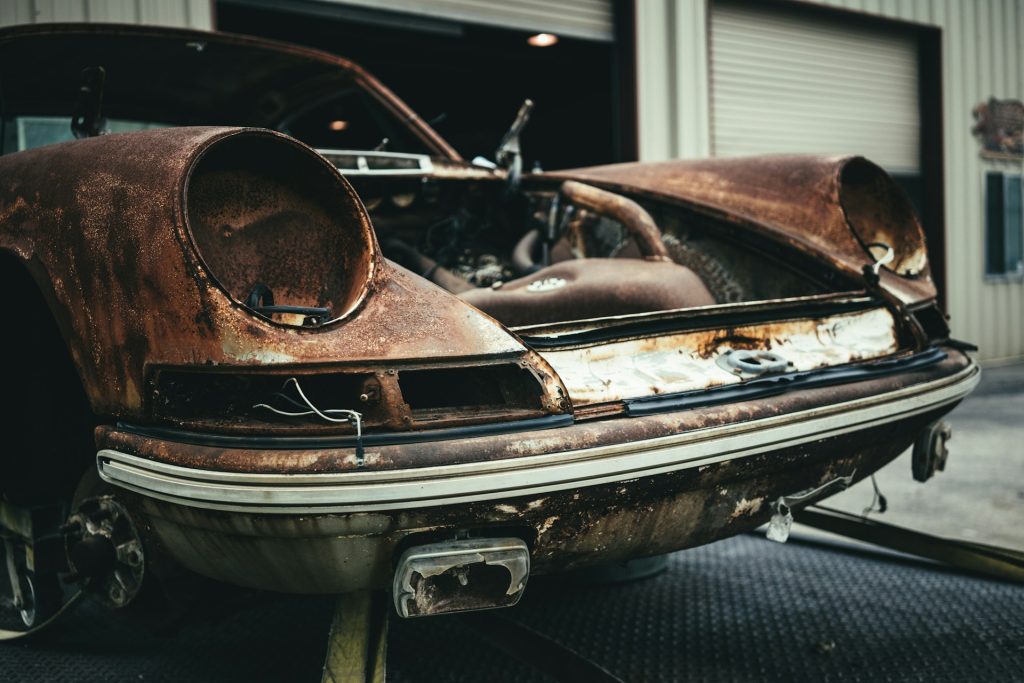
A salvage title car is one step behind in the journey of restoration. This designation indicates that the vehicle has suffered significant damage and is considered a total loss by the insurance company. Conversely, a rebuilt title signals that the car has been repaired and passed state inspections to ensure it’s safe for the road. When planning the purchase of an auto with a rebuilt title, it’s crucial to understand that while the vehicle may no longer exhibit large dents or visible major issues, the underlying structural repairs are meant to address significant damage. Insurers may cover these vehicles, but they often require detailed inspection reports before agreeing to provide coverage.
Opting for a vehicle with a rebuilt title can be financially advantageous. These cars are often priced significantly lower than their counterparts with a clean title, making them an appealing choice for budget-conscious buyers. Additionally, owning a rebuilt vehicle allows you to drive a model that might otherwise be out of your price range. For example, luxury cars and high-end models that have been declared a total loss and subsequently repaired might qualify for a rebuilt title, providing access to higher-tier vehicles. However, it’s essential to involve a trusted mechanic at this point to ensure the repairs are up to standard. This can offer peace of mind and ensure that the vehicle is indeed a bargain and not a potential money pit.
The lower initial purchase price of a rebuilt title car also translates into reduced depreciation rates, allowing buyers to retain more value over time compared to new vehicles. This aspect can be particularly appealing for those looking to minimize their investment’s depreciation. Moreover, the process of restoring a vehicle to a state that qualifies for a rebuilt title often involves thorough inspections and repairs, which can result in a car that is not only affordable but also reliable if the work has been done correctly. Therefore, with diligent research and proper inspection, purchasing a rebuilt title vehicle can be a sound decision for informed consumers looking for value.

However, the phrase “rebuilt title means bad” surfaces for a reason. The history of significant damage can affect the car’s future reliability and resale value. Buyers may face challenges with insurance and financing due to the vehicle’s history, adding layers of complexity to ownership. Instances such as flood damage or hail damage may leave hidden issues unaddressed, even after repairs. The stigma of a major accident can linger, affecting perceptions of the vehicle. Additionally, the availability of an insurance policy for a rebuilt title depends on the insurer, and some may only offer liability coverage. Previous accidents can lead to increased scrutiny from insurance companies, complicating the process of securing comprehensive coverage.
Moreover, navigating the resale market with a rebuilt title car can prove challenging, as potential buyers may be wary of the vehicle’s past and its rebuilt status. This skepticism can drastically reduce the pool of interested buyers and lower the car’s market value, making it harder to sell compared to vehicles with clean titles. The complexities extend to obtaining warranties, as many manufacturers and third-party providers may not extend standard warranties to rebuilt title vehicles, leaving owners potentially facing higher out-of-pocket costs for future repairs or issues that may arise. These factors combined make it crucial for prospective buyers to weigh the initial savings against the long-term implications and costs of owning a rebuilt title vehicle.
When considering a vehicle with a rebuilt title, it’s crucial to examine the car’s history, including the nature and extent of previous damage. Employing a trusted mechanic to inspect the car can provide peace of mind and ensure the vehicle is in good condition. It’s essential to investigate the car’s history thoroughly to understand whether it was a salvage vehicle and the specifics of its accidents and repairs. This information can significantly impact the car’s safety and longevity. Understanding what has been repaired and how effectively it was done is fundamental. Additionally, evaluating auto insurance options in advance is wise, as coverage options for a vehicle with a rebuilt title can be more limited. Scrutinize the extent of accidents in the car’s history to anticipate future issues and insurance challenges.
Insurance companies typically require a comprehensive inspection to offer coverage for a rebuilt title vehicle. They may also request detailed repair documents to assess the car’s current condition and determine the risk involved in insuring it. To insure such cars, companies often delve into the vehicle’s past to gauge whether it retains adequate value and safety standards. This scrutiny aids car insurance firms in crafting policies that reflect the rehabilitated vehicle’s real worth. When approaching an insurance provider, be prepared to discuss the vehicle’s history and any repairs in detail. Coverage options may vary, with some insurers offering full protection while others may limit their policies to basic liability. Understanding these differences is crucial when securing car insurance for vehicles with a rebuilt title.
Several factors influence the cost of insuring a rebuilt title car, including the vehicle’s make, model, and the extent of its previous damages. Insurance providers weigh these elements to calculate premiums, often resulting in higher rates due to the perceived increased risk. For example, if the vehicle was initially a salvage car due to flood damage, car insurance companies may deem it more susceptible to future electrical issues. Additionally, how well the vehicle has been repaired and restored can impact whether insurance companies offer coverage. The car’s age and the insured’s driving history also play critical roles. Not all insurance company policies are identical; some might sell more expensive policies for rebuilt titles, viewing them as higher liabilities.
Yes, insuring a vehicle with a rebuilt title is generally more expensive than one with a clean title. The history of severe damage leads insurance companies to view these cars as higher risks, which can increase premium costs. However, shopping around can help find insurance that’s both affordable and provides adequate coverage. It’s important to note that the degree of the increase can vary widely among auto insurance providers. An insurance provider may assess a rebuilt title car differently based on its underwriting criteria. Additionally, the type of auto insurance chosen for the vehicle – whether comprehensive, collision or just liability – can significantly impact the final cost. Factors like the age of the car, the type of salvage title vehicle it was, and the specifics of the rebuilding process are crucial in determining the price of auto insurance premiums.
A rebuilt title indicates a vehicle has been resurrected from significant damage. While these cars offer financial benefits, they come with challenges such as potential reliability issues and higher insurance costs. Understanding the nuances of rebuilt titles can help buyers make informed decisions and determine if a rebuilt vehicle is the right choice for them. When dealing with vehicles of this nature, it’s crucial to thoroughly inspect the car, understand its history, and weigh the pros and cons. Car insurance companies may offer varying coverage options for a rebuilt title car, affecting the overall cost and protection level. Deciding to buy and insure a rebuilt vehicle should involve careful consideration of these factors, as well as the vehicle’s potential for future resale. While salvage origins might initially deter some, for others, the financial savings and satisfaction of salvaging and rebuilding can outweigh the drawbacks.
No, a rebuilt title does not affect a car’s eligibility for recalls. Manufacturers are obligated to repair safety defects regardless of the vehicle’s title status. Even if your vehicle has a rebuilt title, you should still receive notifications for any applicable recalls based on the car’s identification number (VIN). It’s important to stay informed about these recalls to ensure your vehicle remains safe and compliant with safety standards.
Yes, you can legally drive a car with a rebuilt title once it has passed the necessary state inspections and is deemed roadworthy. However, it is crucial to ensure that the vehicle is properly registered and insured before taking it on public roads. Different states may have varying requirements for inspection and documentation, so it’s important to check local regulations.
Yes, you can register a car with a rebuilt title. However, the process may involve additional steps compared to registering a car with a clean title, such as passing a state inspection. Documentation proving the vehicle’s repaired status and its roadworthiness might also be required by your local Department of Motor Vehicles (DMV). Ensure all paperwork, including repair receipts and the rebuilt title itself, is organized and available for presentation to facilitate a smoother registration process.
:format(webp)/vulcan.abetter.bid%2Fwp-content%2Fuploads%2F2023%2F07%2Fgetty-images-mGUzi-OvlYY-unsplash.jpg)
:format(webp)/vulcan.abetter.bid%2Fwp-content%2Fuploads%2F2026%2F09%2Fev.jpg)
:format(webp)/vulcan.abetter.bid%2Fwp-content%2Fuploads%2F2026%2F09%2Fflipping.jpg)
:format(webp)/vulcan.abetter.bid%2Fwp-content%2Fuploads%2F2026%2F09%2Fcopart.jpg)

