


 FAQ
FAQ 
:format(webp)/vulcan.abetter.bid%2Fwp-content%2Fuploads%2F2025%2F01%2Fchad-stembridge-1Je0QPQbCUM-unsplash.jpg)
Auto Auction Blog
January 27, 2025
What Is a Biohazard Car? Risks, Cleaning, and Buying Tips
:format(webp)/vulcan.abetter.bid%2Fwp-content%2Fuploads%2F2022%2F10%2F2022-10-05-11.30.40-150x150.jpg)


Customer Service
9 am - 6 pm EDT
Monday - Friday
International
+1 (302) 613 - 1026Toll-Free
+1 (888) 277 - 3182:format(webp)/vulcan.abetter.bid%2Fwp-content%2Fuploads%2F2025%2F02%2Fcody-fitzgerald-JolNWpRbOO8-unsplash.jpg)
Finding out your car has been vandalized can leave you uncertain about now what to do next. No matter whether you’re dealing with broken glass/windows, spray paint, or more severe damage that could lead to your vehicle being sold at auction. Being aware of some examples of how to navigate the repair process and protect your vehicle from further damage is crucial. The following guide will recommend the essential steps of handling vehicle vandalism. Filing a police report to maximize your car insurance coverage and implement effective prevention strategies are vital steps.
Vehicle vandalism is an intentional act of vehicle damage. These incidents range from minor scratches to severe structural damage. The motives behind vehicle vandalism vary widely, from random acts of destruction to targeted attacks, making it particularly challenging for your insurer to predict and prevent.
Most incidents of vehicle vandalism are opportunistic crimes committed by individuals seeking attention or acting out of spite. Some cases involve targeted attacks stemming from personal disputes, while other factors include broader criminal activities like theft attempts. Understanding these motivations can help any person better assess their risk and take appropriate protective measures.
Statistics confirm that some vehicles face higher risks of vandalism. This is due to location, brand reputation, and visibility. Luxury vehicles often become vandalized due to their perceived value. Popular mass-market models may be vandalized for their readily available parts. Your car insurance may need to pay more for coverage in high-risk areas. Cars parked at dangerous sites, poorly lit locations, or those displaying controversial stickers or modifications can also attract unwanted attention and further damage.
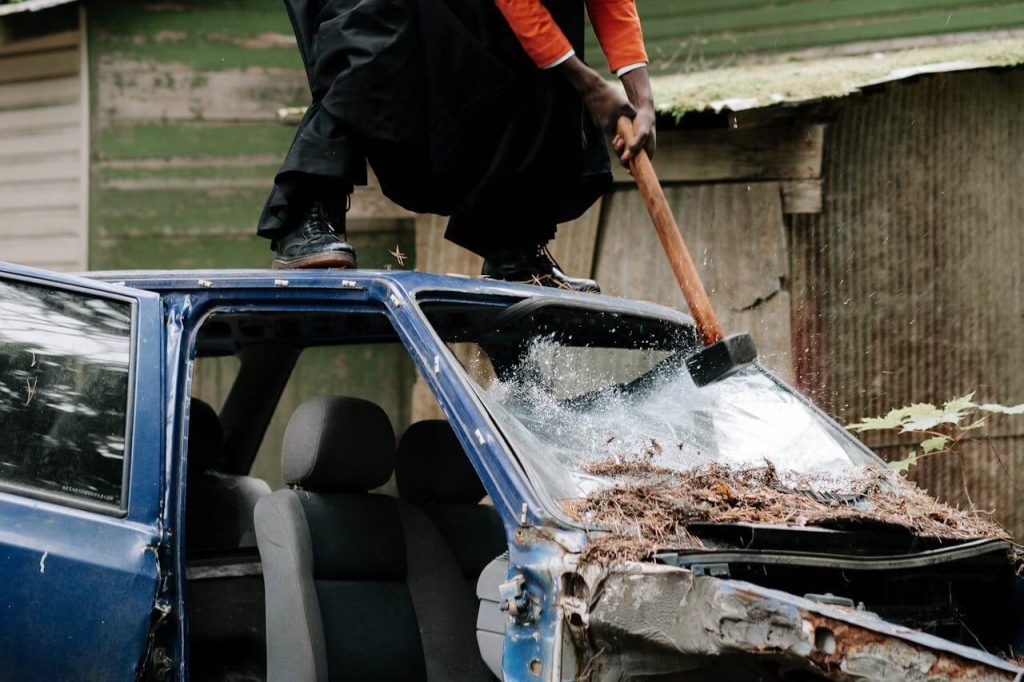
Vehicle vandalism may have distinctive types. Each of them requires different approaches to documentation and repair. Grasping the type of damage you’re dealing with helps speed up the claims process with your insurance company. The procedure ensures your policy will cover broken windows and repairs:
| Step | Action | Purpose |
| 1 | Take photos from multiple angles of the scene | Capture both close-ups of damage and wider shots of the accident area for comprehensive documentation |
| 2 | Document incident details | Record the date, time, and location of the incident for insurance claim and police report |
| 3 | Document timeline | Take detailed notes about when you last saw your car undamaged to establish the timeframe |
| 4 | Collect witness information | Gather contact information from potential witnesses who may have seen the incident |
| 5 | Check security footage | Look for nearby security cameras that might have pictures of the vandalism |
| 6 | Record vehicle information | Document your vehicle’s VIN and current mileage before touching anything |
| 7 | Maintain repair records | Keep all receipts related to immediate security measures or temporary repairs for reimbursement |
Contact the police department immediately upon discovering vandalism. Drivers shouldn’t wait to file a police report so as not to make things worse. Timely reporting increases the chances of catching the perpetrator and strengthens their insurance claims. Most insurance providers require a police report number before reviewing a vandalism claim. Thus, this step is vital for insured car coverage.
Filing a vandalism insurance claim requires a considerate approach. Your auto insurance policy’s comprehensive coverage typically handles vandalism damage, but working with your insurance company and insurer requires understanding complex procedures:
Modern innovations suggest numerous ways to protect your vehicle from vandalism. Security cameras equipped with motion detection can hold vandals back. Consider investing in GPS tracking systems, alarm systems with smartphone connectivity, and dash cams. These instruments can prevent vandalism and minimize your insurance premiums.
Change your parking habits to mitigate vandalism threats. Follow these preventive tips to protect your vehicle:
· Park in well-lit areas with high foot traffic.
· Choose parking spots visible to security cameras when possible.
· Remove valuable items from plain sight.
· Consider using a car cover to discourage spray paint vandalism.
· Maintain good relationships with neighbors who can watch your car.
· Vary your parking routine to avoid establishing patterns.
· Install anti-theft devices.

Even seemingly secure parking locations can harbor unexpected risks. Many drivers mistakenly believe that parking in upscale neighborhoods or paid facilities guarantees their vehicle’s safety. However, these areas can sometimes provide vandals with better cover due to lower foot traffic and fewer witnesses.
Private parking garages and reserved spots might offer a false sense of security. While these locations may deter casual vandals, determined criminals might target such areas specifically because vandalized vehicles are left unattended for long periods. Always assess the actual security measures in place rather than relying on assumptions about location safety.
Safeguarding your car may be associated with several cost-effective modifications to enhance your vehicle’s security:

Vandalism can significantly impact your vehicle’s resale value, even after professional repairs. A car’s value of a salvage car or one with a history of vandalism damage typically drops 20-30%. In extreme cases, heavily damaged cars become vehicles sold at auction. To minimize this impact, maintain detailed repair documentation, use manufacturer-certified repair shops, and consider having your vehicle professionally appraised after repairs to establish its restored value.
Understanding how to deal with vehicle vandalism is essential for every vehicle owner. From the first step of discovering damage to navigating the insurance claims process and implementing preventive measures, being prepared can save you time, money, and stress. Remember that proper documentation and swift action are crucial for successful claims and repairs.
While no prevention method is foolproof, combining multiple security strategies significantly reduces your risk. Constant insurance policy reviews, maintaining proper coverage, and being aware of local crime patterns ensure you’re prepared. Discover what your insurance covers.
When witnessing vandalism, safety should be your central concern. Here are some tips:
· Don’t confront the person directly – prioritize your safety.
· Call the police immediately and provide detailed descriptions.
· Record video evidence from a safe distance if possible.
· Note any vehicle they might be using, including license plates.
· Contact your auto insurance provider as soon as it’s safe.
· Document the scene exactly as they left it.
Your comprehensive coverage typically covers vandalism regardless of location. File both a police report and an insurance claim immediately. Property owners may have additional liability coverage, so obtain incident reports from property management if available.
Check local police department crime statistics online, consult neighborhood apps, and contact your auto insurance company for area risk assessments. Local automotive forums and social media groups often discuss vandalism-damaged cars and specific patterns. Your VIN decoder can also reveal if your vehicle model is commonly targeted.
Documenting evidence properly is crucial when direct proof is limited. Consider these cost-effective tips:
· Take extensive photos showing damage patterns consistent with vandalism.
· Get written statements from professional repair shops confirming the damage type.
· Document any similar incidents in the area.
· Preserve any physical evidence like paint transfer or broken parts.
· Request a detailed police investigation.
Vanity plates and out-of-state plates can sometimes attract unwanted attention. Consider a standard plate if you frequently park in high-risk areas. Some vehicle vandalism incidents target specific states’ plates, particularly in areas with strong regional rivalries or during major sports events.
:format(webp)/vulcan.abetter.bid%2Fwp-content%2Fuploads%2F2024%2F02%2Fjakub-nawrot-3FYqzBCSLHQ-unsplash.jpg)
:format(webp)/vulcan.abetter.bid%2Fwp-content%2Fuploads%2F2023%2F03%2Frawkkim-UsWvRFTssRs-unsplash.jpg)
:format(webp)/vulcan.abetter.bid%2Fwp-content%2Fuploads%2F2026%2F10%2Ffees1.jpg)
:format(webp)/vulcan.abetter.bid%2Fwp-content%2Fuploads%2F2026%2F10%2Flisting9.jpg)
:format(webp)/vulcan.abetter.bid%2Fwp-content%2Fuploads%2F2026%2F09%2Fcopart.jpg)

