


:format(webp)/vulcan.abetter.bid%2Fwp-content%2Fuploads%2F2025%2F08%2Funsplash-community-yLrIO-F_7Jc-unsplash.jpg)
 FAQ
FAQ 
:format(webp)/vulcan.abetter.bid%2Fwp-content%2Fuploads%2F2024%2F07%2Ffilip-bunkens-S07WZ4ESDro-unsplash.jpg)
Auto Auction Blog
July 3, 2024
Common Car Flood Damage Symptoms
:format(webp)/vulcan.abetter.bid%2Fwp-content%2Fuploads%2F2022%2F10%2F2022-10-05-11.30.40-150x150.jpg)


Customer Service
9 am - 6 pm EDT
Monday - Friday
International
+1 (302) 613 - 1026Toll-Free
+1 (888) 277 - 3182If your car won’t start, the headlights flicker, or dashboard warnings keep flashing, chances are you’re dealing with an electrical issue, most likely a degraded battery, faulty alternator, or corroded wiring. These problems account for over one-third of all roadside assistance calls in the U.S. and affect both gas-powered and electric vehicles. This guide shows exactly how to identify the source using voltage tests, fuse checks, and scan tools, and explains what symptoms point to serious faults like overheating alternators or damaged ground connections.
Electrical problems in cars typically begin with overlooked symptoms like irregular lighting, warning signals, or inconsistent accessory performance. These are not isolated glitches, they often indicate underlying failures in core components such as the battery, alternator, or wiring system. In modern vehicles, even minor voltage irregularities can disrupt engine management, disable safety features, or interfere with power distribution. For electric vehicles, the risks increase, as faults in high-voltage circuits or battery control units can affect both performance and safety.
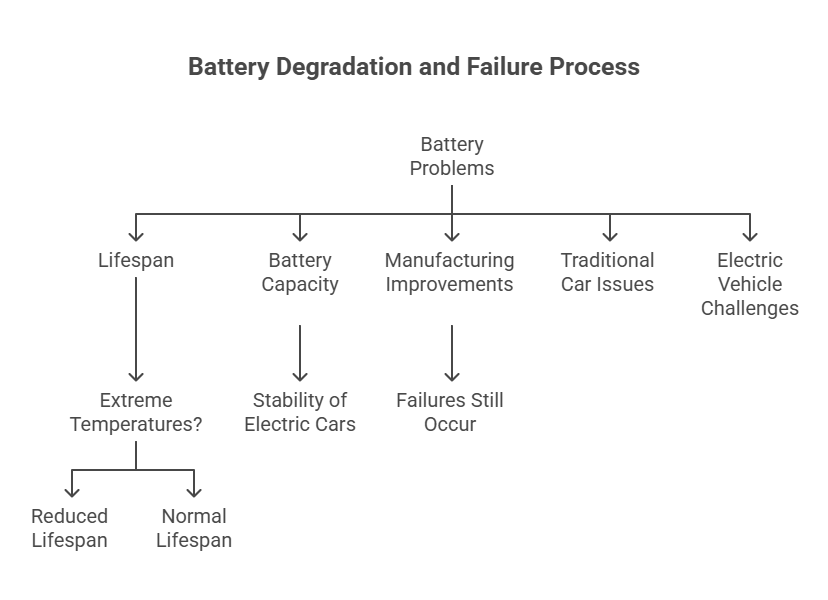
Battery problems represent the most common electrical issue. This concerns both conventional cars and electric vehicles. The average battery lasts three to five years. However, extreme temperatures and poor maintenance can reduce this lifespan. Battery capacity largely defines the stability of modern electric cars’ operation.
Modern automakers continue to improve the manufacturing process for lithium-ion batteries. Nevertheless, failures still occur. Traditional cars experience oil leaks or other mechanical issues. Electric vehicles, in turn, face unique challenges. They’re related to electricity storage and distribution systems.
Signs of failure include:
Battery-related problems account for approximately 35% of roadside assistance calls nationwide.
The alternator keeps your battery charged. It’s essential for reliable vehicle operation. When this element fails, even new batteries drain quickly. Electric vehicles use different charging systems. However, the principles of power management remain similar. A VIN decoder can help identify relevant specifications for your vehicle model. When purchasing used vehicles, always verify the history. Make sure you’re not buying a car with a salvage title.
| Symptom | Possible Cause | Severity Level |
| Battery warning light | Faulty alternator or loose belt | High |
| Dimming headlights while driving | Insufficient charging current | High |
| Electrical accessories malfunctioning | Low system voltage | Medium |
| Strange noises from the engine bay | Worn alternator bearings | Medium |
| Burning smell | Overheating alternator elements | High |
Faulty wiring creates challenges. The issue results in corroded connections, damaged insulation, and loose terminals. Wiring problems often develop gradually. Thus, their early detection is difficult but essential. A single damaged wire can trigger a chain reaction. It affects multiple systems, from lighting to engine management. Even smaller vehicles like electric bikes face similar wiring challenges.
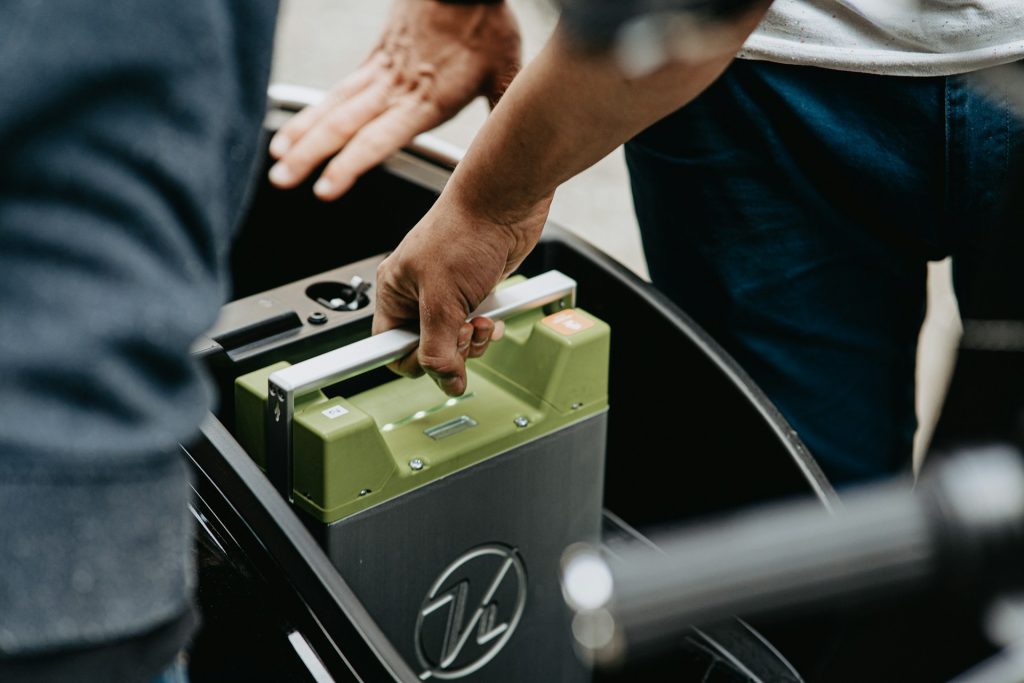
Systematic diagnosis saves time and prevents unnecessary part replacement. Start with basic car checks. Then, move to complex testing procedures. Many electrical issues can be identified using simple tools. Before beginning any electrical work, always ensure the ignition is off. Modern diagnostic equipment acts as an invaluable aid in such work. However, remember: proper training is vital. Otherwise, trust repairs only to professionals.
According to A Better Bid, 60% of electrical problems stem from poor connections rather than component failure.
Temperature extremes significantly affect electrical system performance in all vehicles. Cold weather reduces battery capacity. Oil becomes thicker. This all requires more power to start engines. Hot weather accelerates battery degradation. Wiring insulation deteriorates faster. The growing demand for electric cars has highlighted these temperature-related challenges. Extreme cold can reduce driving range (up to 40% in a single hour of operation).
Working with automotive electrical systems requires proper preventive measures. Avoid personal injury and car damage. High-voltage systems present additional hazards.
Precautions include:
Many car owners make costly errors when attempting electrical diagnosis. Replacing expensive parts without proper testing wastes money. This activity may not fix the actual problem. Realizing some common mistakes helps avoid unnecessary repairs. Prevent potential damage to other electrical systems in cars and trucks.
The challenges of electric vehicles require diagnostic approaches distinct from those of diesel or traditional gasoline engines. Proper recycling of electrical parts becomes increasingly important as consumers upgrade their vehicles, with improper disposal contributing to environmental concerns despite the positive impact electric vehicles have on climate change reduction.

Common diagnostic mistakes include:
Modern cars depend heavily on electrical systems. When they fail, the outcomes may be severe.
Issues with electric cars may affect regenerative braking or power steering. Traditional vehicles might lose ABS or stability control functionality. Incidents where a car caught fire due to electrical faults prove the necessity of professional inspection.
Pro Tip from A Better Bid: Before buying a used car, especially from salvage auctions, always check if any safety systems are flagged in the vehicle’s diagnostic history. Over 40% of electrical faults found in auction vehicles are related to compromised safety features that aren’t obvious during a visual inspection.

Electric vehicles’ reliability depends on battery production methods and quality control. New technology always presents challenges. However, the most dependable electric car models demonstrate excellent long-term performance. China leads global electric vehicle production. The country drives down cost while improving quality. Electric vehicles are expected to become cheaper to maintain over time.
However, electric car failures still occur. They’re often related to battery management systems or charging infrastructure problems. Compared to gasoline/diesel cars, the energy efficiency gains continue to drive consumer adoption. Today, personal transportation options are various. They concern both traditional cars and innovative e-bikes designed for urban mobility.
| Manufacturer | Model | Reliability Rating | Key Features | Average Number of Issues per 100 Vehicles |
| Tesla | Model S | 4.2/5 | Advanced battery management | 12 |
| Nissan | Leaf | 4.4/5 | Proven lithium-ion batteries | 8 |
| Chevrolet | Bolt EV | 4.1/5 | Affordable with a good range | 14 |
| BMW | i3 | 4.0/5 | Premium materials and build | 16 |
| Hyundai | Kona Electric | 4.3/5 | Excellent warranty coverage | 10 |
Electric vehicles experience 40% fewer maintenance issues compared to conventional vehicles. It’s primarily due to fewer moving parts in electric motors versus traditional engines.
Diagnosing electrical problems requires a systematic approach. Proper tools are also essential. Certainly, electric cars present specific challenges. However, the fundamental principles apply to all vehicles. Understanding common symptoms and following security procedures are vital to ensure reliable transportation. The hidden dangers of electric cars can be successfully prevented. Remember: the used car market increasingly includes salvage electric cars. They may appear functional. Nevertheless, they harbor serious electrical defects requiring expert evaluation.
Proper maintenance and awareness significantly reduce fire risks:
– Use only manufacturer-approved chargers/cables.
– Avoid overcharging (follow recommended charging schedules).
– Inspect charging equipment regularly.
– Park away from flammable materials.
– Schedule regular battery inspections.
– Report any unusual smells, sounds, or performance changes.
– Never attempt DIY repairs.
No traditional oil changes are required for electric cars. They lack internal combustion engines. However, they still need regular maintenance for other fluids and components. Preventing issues with electric cars is associated with regular inspections.
Running out of power in an electric personal vehicle runs out of power implies an immediate stop. Further, it cannot restart. Unlike fuel cars, there’s no reserve capacity. You’ll need roadside assistance or a mobile charger.
Worn tires don’t directly affect electrical systems. However, they reduce efficiency and range. Poor tires create more rolling resistance. They force the electric motor to work harder. The battery, in turn, drains faster.
Electric cars don’t use traditional alternators. They recharge from external sources. Instead, they use DC-to-DC converters to power 12-volt systems. Such elements maintain the auxiliary battery for lights and accessories.
:format(webp)/vulcan.abetter.bid%2Fwp-content%2Fuploads%2F2025%2F06%2FqGzWty2oBlQ-unsplash.jpg)
:format(webp)/vulcan.abetter.bid%2Fwp-content%2Fuploads%2F2026%2F10%2Ffees1.jpg)
:format(webp)/vulcan.abetter.bid%2Fwp-content%2Fuploads%2F2026%2F10%2Flisting9.jpg)
:format(webp)/vulcan.abetter.bid%2Fwp-content%2Fuploads%2F2026%2F09%2Fcopart.jpg)

